The 1986 monte carlo ss is one of the most recognizable American performance coupes of the 1980s. Its rear-wheel-drive layout, V8 power, bucket-seat interior, and NASCAR-inspired body give it a strong following among collectors and weekend cruisers. If you own one, are considering a purchase, or are restoring a project car, insurance deserves attention before the first road trip. A regular auto policy can cover the vehicle, but it may not reflect the cost of finding correct trim, repairing original parts, or replacing a carefully documented restoration.
This guide covers identification, condition, valuation, policy choices, and the records an insurer is likely to request. The goal is simple: match coverage to how the car is actually used and to what it would cost to replace.
What makes the car collectible
The 1986 monte carlo ss belongs to the G-body generation shared with models such as the Chevrolet El Camino, Malibu, and Buick Regal. The SS package added distinctive exterior graphics, a rear spoiler, sport wheels, and a more aggressive appearance than a standard Monte Carlo. Most examples use Chevrolet's 5.0-liter V8 paired with an automatic transmission, although equipment and production details can differ by build and factory options.
Originality matters, but it is not the only measure of value. A solid driver with clean floors, a straight body, and a documented engine can be more useful than a rough car wearing expensive aftermarket parts. Factory wheels, correct decals, original interior panels, and an uncut dashboard generally help a collector-grade example. Rust around the lower doors, rear wheel openings, trunk floor, and windshield channels can turn a cosmetic project into a structural repair.
Check the vehicle identification number, trim tag, title history, and service records together. A seller's description is not enough to establish that every SS component is factory-correct. Photographs of the engine bay, undercarriage, trunk, interior, and body seams are valuable when requesting insurance quotes or comparing similar cars.
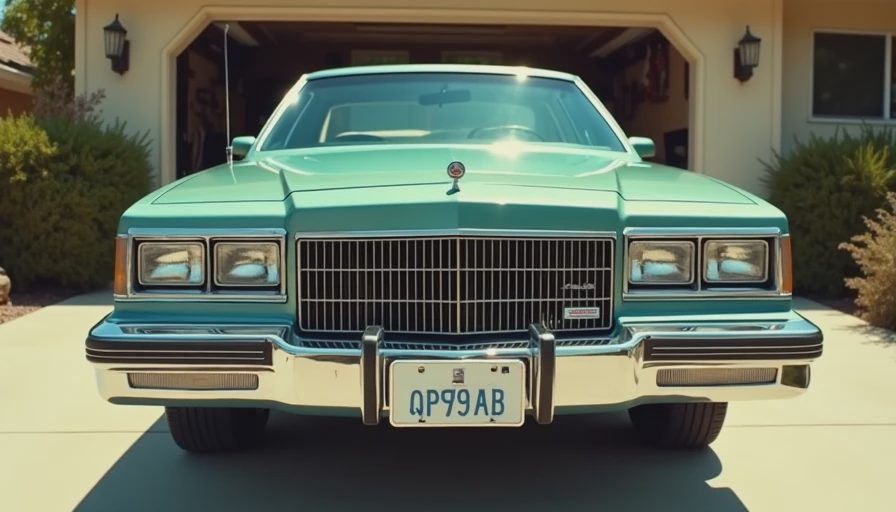
How insurers value an 1986 monte carlo ss
Classic-car policies commonly use agreed value, stated amount, or actual cash value arrangements. With agreed value, you and the insurer establish a value before a covered total loss, subject to the policy terms and documentation. This is often the clearest choice for a restored or unusually original car. Stated amount does not always guarantee that exact amount; policy language can permit payment of the stated amount or the vehicle's actual cash value, whichever is lower. Actual cash value is based on market value at the time of loss and can be difficult when comparable sales are limited.
Ask specifically which valuation method applies. Do not assume that a $25,000 number on an application automatically means a $25,000 claim payment. A collector-car specialist can explain the difference and tell you whether receipts, an appraisal, or recent comparable listings are needed.
Premiums are often lower than everyday-use coverage because classic policies typically limit mileage and require secure storage. Those savings come with conditions. The car may need to be kept in a locked garage, used primarily for exhibitions, club events, maintenance, or occasional pleasure driving, and not used for commuting. A daily driver policy is usually the better fit if the Monte Carlo is your regular transportation.
Coverage choices worth comparing
Liability coverage pays for injuries or property damage you cause to others, up to the policy limits. Choose limits that protect more than the minimum required by your state, especially if you have savings, property, or other assets at risk. Collision coverage addresses damage from a crash, while comprehensive coverage generally addresses non-collision losses such as theft, hail, fire, falling objects, and vandalism.
For a stored classic, comprehensive protection is particularly important. A hailstorm can damage a hood, roof, and decklid in minutes, and a theft claim can become complicated if you cannot show ownership or condition. Ask whether the policy covers spare parts, tools, memorabilia, towing, and fire damage in the garage. Some policies include limited roadside assistance, but a heavy-duty tow for a modified vehicle may require a higher limit.
If you have upgraded suspension, wheels, paint, an engine, or interior, ask about custom parts and equipment coverage. Keep invoices and photographs. A $6,000 engine rebuild or $8,000 paint job should not disappear from the file simply because the upgrades are bolted onto an older chassis.
Inspection steps before you insure or buy
Start with the title and VIN. Confirm that the VIN on the dashboard matches the paperwork and look for salvage, rebuilt, flood, or inconsistent ownership records. Next, inspect the body in daylight. Uneven gaps, overspray, bubbling paint, and mismatched stripe colors can indicate previous repairs. Use a magnet or paint-thickness gauge where appropriate, but remember that filler can hide rust rather than solve it.
Raise the car safely and inspect frame rails, body mounts, control-arm areas, brake lines, fuel lines, and the trunk floor. Surface scale is different from perforation. Probe suspicious areas carefully and document what you find. On a test drive, listen for driveshaft vibration, rear-axle whine, steering looseness, brake pull, and transmission flare between gears.
A cold start is more informative than a warm engine. Watch oil pressure, coolant temperature, exhaust smoke, charging voltage, and idle quality. Ask for receipts rather than accepting claims that the motor is “fresh.” A pre-purchase inspection by a shop familiar with G-body cars can cost roughly $150 to $300 and can prevent a repair bill several times that amount.
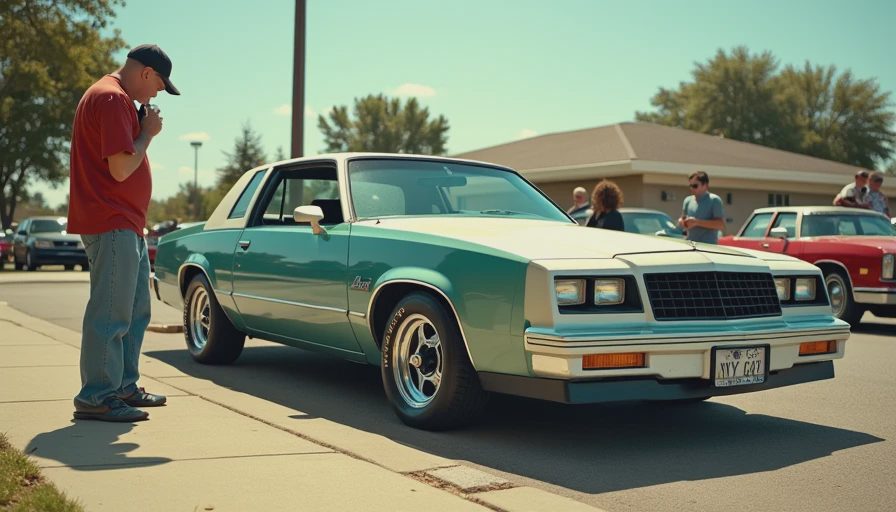
Building a defensible value file
Create a digital folder before requesting a policy. Include all four sides of the car, the engine bay, undercarriage, trunk, interior, wheels, tags, VIN, and close-ups of defects. Add restoration invoices, parts receipts, appraisal reports, registration, title, and screenshots or printouts of comparable sales. Date the photographs and update them after major work.
For a stock driver, comparable listings might support a lower value than a documented frame-off restoration. A clean project can trade in the low five figures, while an excellent, correctly restored example may command substantially more. Asking prices are not completed sales, so separate dealer listings, auction results, and private-party transactions in your notes. Be honest about condition; an insurer can reduce disputes when the file clearly shows both improvements and flaws.
Review the value annually. Parts prices, labor rates, and collector demand change, and a policy limit that worked before a restoration may be inadequate afterward. Tell the insurer when the car receives a new paint job, engine, transmission, or interior.
Common mistakes that create claim problems
The most common mistake is using a collector policy for commuting or errands. If the policy restricts use and the car becomes a daily driver, a claim can be challenged. Another mistake is storing the vehicle outside while reporting secure-garage storage. Keep the risk description accurate.
Do not cancel ordinary transportation coverage before confirming that the classic policy includes the drivers, usage, and liability limits you need. Do not rely on a verbal promise about value; get the valuation method and endorsements in writing. Finally, avoid letting registration, title, appraisal, and policy information contradict one another.
For a 1986 monte carlo ss, the best insurance setup is the one that matches its real condition and use. Gather records, compare a classic-car specialist with a mainstream carrier such as State Farm, GEICO, or Progressive, and ask each company to quote the same liability limits and valuation basis. A few careful questions before renewal are easier than arguing over value after a theft or total loss.
A practical insurance checklist
Before binding coverage, confirm the agreed or actual cash value method, deductible, mileage restriction, storage requirement, permitted drivers, roadside limit, and coverage for custom parts. Ask whether occasional club events, parades, and travel to shows are included. Verify that liability limits apply while the car is being driven, not only while it is parked.
Keep photographs and receipts in two locations, and carry a copy of the policy declarations page in the garage. If another household member might drive the car, disclose that person in advance. When the restoration changes substantially, request a revised valuation rather than waiting for renewal.
The 1986 monte carlo ss rewards careful ownership, and careful documentation protects that investment. Treat the car like a machine with a service history, not just an old coupe with a blue-book number, and your coverage conversation will start from facts instead of guesswork.





No comments yet — grab the first one.