Driving on a flat tire is not a normal low-pressure situation. A tire with a slow leak might still hold its shape, but a fully deflated tire can separate from the wheel, damage the sidewall, and make the car difficult to control. The safest move is to slow down smoothly, steer away from traffic, and stop as soon as you can reach a stable shoulder, parking lot, or wide emergency area.
Do not slam on the brakes or make a sudden lane change. Turn on the hazard lights, keep both hands on the wheel, and avoid driving farther simply because the destination is close. One mile can be enough to turn a repairable tire into a replacement tire and bend an aluminum wheel.
How to Recognize a Flat Tire While Moving
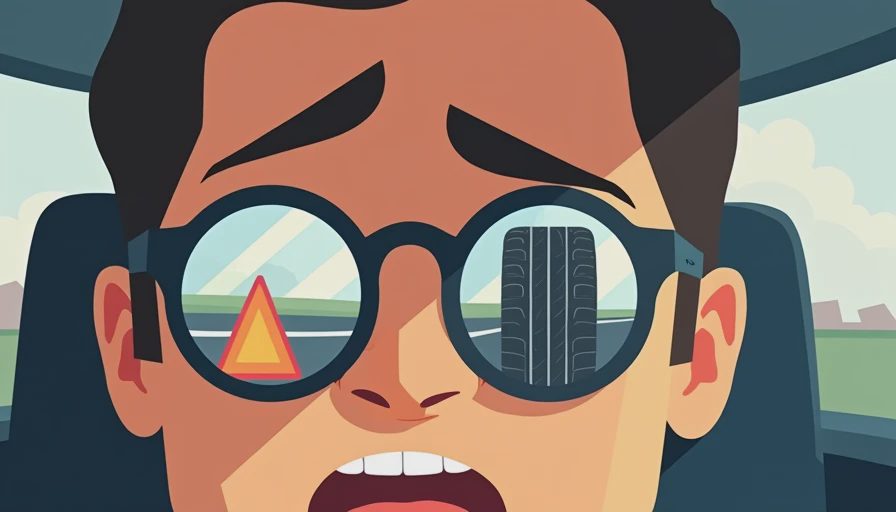
The first warning may be a heavy thumping sound, rhythmic flapping, or a steering wheel that pulls sharply to one side. You might also feel the vehicle wandering, especially during a turn. On many newer vehicles, the tire-pressure monitoring system will illuminate a warning light, but the sensor cannot always tell you how rapidly the tire is losing air.
If the front tire is flat, steering may feel heavy and the vehicle may pull toward the damaged side. A rear flat can feel more like a loose or swaying rear end. Neither condition is safe at highway speed. Reduce speed gradually without accelerating, and do not attempt to maintain speed until you find a stopping point.
Once stopped, stay in the vehicle if you are on a narrow shoulder next to fast traffic. Call 911 if the car is in a travel lane or presents an immediate hazard. If you can exit safely, move away from traffic and stand behind a guardrail when one is available. A reflective vest, warning triangle, and charged phone belong in the emergency kit before a tire problem occurs.

What to Check After You Stop
Before touching the tire, inspect the surrounding area for traffic and look for obvious damage. A screw, nail, cut sidewall, missing valve-stem cap, or tire debris can identify the failure. Do not pull out a nail just to see whether air escapes; removing it can make the leak worse and eliminate useful evidence for a tire technician.
Look at the tire from several angles. If the sidewall is cut, crushed, bubbled, or separated from the tread, do not inflate it and continue driving. Sidewall damage cannot be safely repaired with a plug. Also inspect the wheel lip for bends and check underneath the vehicle for suspension or brake damage if the tire struck a pothole.
Driving on a flat tire for even a short distance can destroy the inner sidewall. The outside may look acceptable while the inside has been ground into rubber dust by the wheel. A repair shop should remove the tire from the rim and inspect the interior before recommending a plug or patch. A plug inserted from the outside is not a substitute for a proper internal repair.
The Safest Way to Move the Vehicle
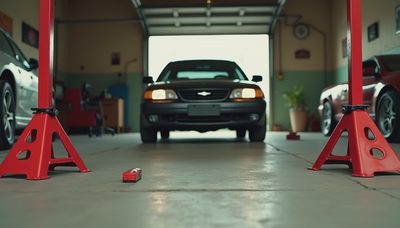
If you have a properly inflated spare, use it only after the vehicle is safely parked and the owner manual confirms the lifting points. Set the parking brake, place the transmission in Park or in first gear for a manual transmission, and chock a wheel if conditions allow. Loosen the lug nuts slightly before raising the vehicle. Never put any part of your body under a car supported only by a jack.
A compact temporary spare usually has a lower speed limit and limited driving range printed on its sidewall. It is designed to get you to a repair facility, not to serve as a permanent replacement. Check the spare's pressure before installing it. Many compact spares require around 60 psi, but the correct number is printed on the tire and should not be guessed.
If there is no usable spare, call roadside assistance. A tow is usually cheaper than a tire, wheel, and roadside recovery after a second failure. Some vehicles use run-flat tires, which can travel a limited distance at a reduced speed after losing pressure, but the limit depends on the tire model, load, temperature, and damage. Confirm the instructions in the owner's manual instead of assuming every run-flat is safe to drive.
Why Driving on a Flat Tire Causes Expensive Damage
A properly inflated tire carries the vehicle's load through its tread and sidewall. When the air is gone, the sidewall folds between the road and wheel. Heat builds quickly, rubber scrapes away, and the bead can unseat from the rim. The wheel may then contact the pavement directly, damaging its lip or cracking the metal.
Driving on a flat tire can also affect the tire next to it if the vehicle travels over debris or the driver makes a hard correction. On an all-wheel-drive vehicle, installing a spare with a significantly different rolling circumference may create drivetrain stress. Some manufacturers require replacing or matching multiple tires when tread depths differ, so read the service information for the specific vehicle.
A tire shop may quote about $20 to $50 for a standard repair when the tread damage is repairable. A new passenger tire commonly costs $100 to $250, while truck, performance, and run-flat tires can cost considerably more. A wheel adds several hundred dollars, and suspension damage can push the bill higher.
Does Auto Insurance Cover a Flat Tire?
A punctured or worn tire is usually a maintenance expense, not a comprehensive or collision claim. Auto insurance generally does not pay simply because a tire went flat from a nail, age, low pressure, or tread wear. Roadside assistance coverage, if included in the policy, may pay for a tire change or tow subject to the plan's limits.
Collision coverage can apply when a covered accident damages the wheel or tire, such as hitting another vehicle or an object in the roadway. Comprehensive coverage may apply to certain non-collision events, but coverage for tire-only damage is uncommon and depends on the policy. A deductible can also make a small claim financially impractical.
Before filing, compare the estimated repair cost with your deductible and review whether a claim could affect future premiums. If the vehicle is disabled in traffic, prioritize safety and request help first. The insurer, roadside provider, or tire retailer can clarify the exact service available under your plan.
A Practical Flat-Tire Procedure
The procedure is straightforward: slow down, activate the hazards, and steer to a safe stopping location. Turn off the engine, set the parking brake, and inspect the tire without standing in traffic. Photograph the damage if it is safe, including the tire, wheel, and roadway debris. Then install the spare according to the manual or arrange a tow.
After the repair, check all four tire pressures with a reliable gauge, reset the tire-pressure monitoring system if required, and verify that the spare and jack have been returned to their storage locations. Record the tire brand, size, tread depth, and date of repair. Driving on a flat tire should end with a proper inspection, not a quick air refill and an assumption that the problem is solved.
A pressure gauge used monthly, a full-size spare when practical, and an active roadside plan prevent most tire emergencies from becoming expensive roadside repairs. If the sidewall is damaged or the wheel is bent, skip the gamble and tow the vehicle to a qualified tire shop.




No comments yet — grab the first one.