Duralast jack stands are common garage tools for brake jobs, suspension work, oil changes, and tire repairs. They are sold through AutoZone in several sizes and weight capacities, so the name alone does not tell you whether a particular pair fits your vehicle. The important details are the stand's rated capacity, minimum and maximum height, locking design, saddle shape, and condition. A careful setup matters more than a flashy finish.
A floor jack lifts the vehicle; jack stands carry it while you work. Never crawl beneath a car supported only by a hydraulic jack. Hydraulic seals can leak, a jack can roll, or an uneven surface can change the load. The stands should be placed at the vehicle manufacturer's approved support points, with the jack left in a secondary supporting position only when it does not interfere with the job.
Which Duralast Jack Stands Fit Your Vehicle?
Start with the vehicle's curb weight, then select a pair with a suitable rating and a comfortable margin. A compact sedan may work with a lower-capacity pair, while a full-size pickup, SUV, or van usually calls for heavier stands. Do not confuse the jack's lifting capacity with a stand's support rating. Read the label on the actual product, because Duralast jack stands are available in different capacities and height ranges.
Height is just as important as capacity. A low stand may fit beneath a unibody car, but it might not reach a safe reinforced lift point after the vehicle is raised. A taller stand can be useful for a truck but unstable or physically incompatible under a low sports car. Measure the clearance from the floor to the support point before buying. Also check the saddle width and shape; a narrow saddle can sit poorly on a pinch weld, while a broad saddle may suit a frame rail better.
The adjustment mechanism deserves close attention. Ratchet-style stands offer fast height changes, while pin-style stands use a separate steel pin to secure the column. Whichever design you choose, the locking mechanism must fully engage. Do not use a stand with a bent column, missing pin, damaged teeth, cracked weld, or unreadable capacity label.
Setting Up Duralast Jack Stands Correctly
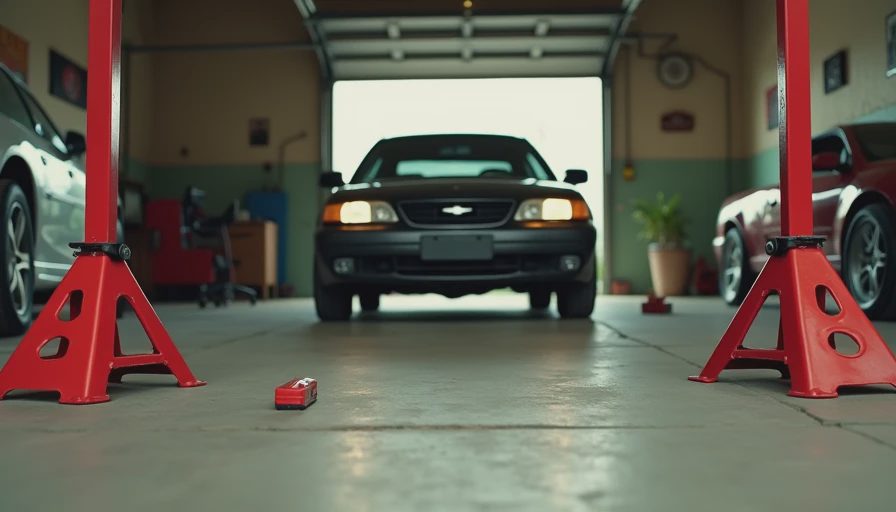
Park on a hard, level surface such as concrete. Avoid gravel, soft asphalt on a hot day, grass, slopes, and any area where a stand foot can sink. Put the transmission in Park for an automatic or in first gear or reverse for a manual transmission. Set the parking brake, then chock wheels that remain on the ground. If the front is raised, chock the rear wheels; if the rear is raised, secure the front wheels.
Before lifting, find the approved support points in the owner's manual or the factory service information. Raise one end with a properly rated floor jack, then position the stands symmetrically at the designated points. Adjust both stands to the same height. Lower the vehicle slowly until its weight rests on the stands, then watch each foot and saddle during the transfer. The stand should remain vertical, and the support point should stay centered.
Once the vehicle is resting on Duralast jack stands, push firmly at a solid body area to check for movement. A small suspension shift is normal, but rolling, rocking, sliding, or a lifting saddle that is not seated means the setup is wrong. Raise the vehicle again, correct the placement, and repeat the check. Keep your hands and feet out of pinch points while lowering.
Common Mistakes That Damage Cars and Stands
One frequent mistake is placing a stand under thin floor sheet metal, a plastic splash shield, an exhaust pipe, or a suspension arm that is not designed to carry the vehicle. Those areas can bend or shift. A pinch weld adapter can help on some unibody cars, but it must match the vehicle's lift-point design rather than simply filling space.
Another mistake is lifting one corner high enough to twist the body, then trying to fit a stand at an awkward angle. For axle work, use two stands on the same end when the procedure allows it, and keep the opposite wheels chocked. Never stack wood blocks, bricks, ramps, or random metal under the saddle to gain height. Approved lifting equipment is predictable; improvised supports are not.
Do not exceed the lowest-rated component in the setup. If one stand is a different model, has a damaged label, or is visibly weaker, replace the pair. Duralast jack stands should be used only on a surface and at a height allowed by their instructions. A stand that reaches the correct height is not automatically safe if the base is tilted or the load is off-center.
Inspecting and Storing Your Stands
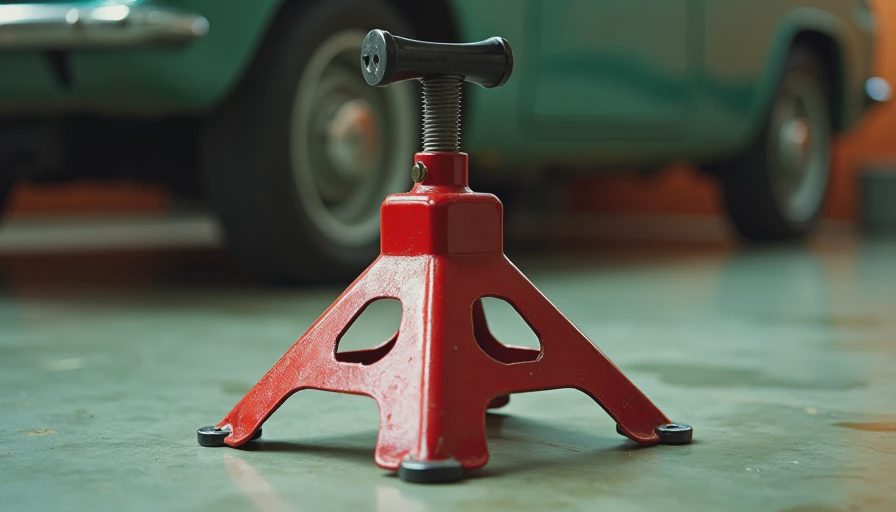
Inspect Duralast jack stands before every major job and after any event that could have overloaded them. Look at the base, welds, upright column, saddle, adjustment teeth, pin, and retaining hardware. Surface rust is not always a failure, but deep pitting, spreading welds, bent steel, missing hardware, or a locking part that does not engage positively is a reason to remove the stand from service.
Clean dirt and grease from the moving parts so the locking mechanism can be seen and operated. Do not grind, weld, drill, or modify a stand to repair it. Store the pair indoors where moisture will not collect inside the adjustment mechanism. Keep the instruction label readable, and compare older equipment with current manufacturer safety notices or recall information before use.
A quick inspection also prevents a frustrating repair interruption. Finding a missing pin after the car is raised is a poor time to discover that the stand has been stored as a shop stool or jack handle rest. Treat support equipment as safety equipment, not general-purpose furniture.
A Simple Buying Check Before You Pay
At the store or online, confirm the exact model and capacity rather than searching only by brand. Check the minimum and maximum height against your vehicle, verify that the package contains two stands if you need a pair, and inspect photos for the actual base and locking design. Product listings can change, so the printed label and included instructions should control your final decision.
Compare the cost with the job you plan to perform. A basic pair may suit occasional brake service on a small car, while a heavier pair can be a better purchase for repeated truck, SUV, or trailer work. That does not make the largest model universally safer; an oversized stand that cannot fit the lift point is the wrong tool. Duralast jack stands are most useful when their dimensions match the vehicle and the work area.
Final Garage Checklist
Before getting under the vehicle, verify five things: the ground is solid and level, the wheels are chocked, the stands are at approved lift points, both locking mechanisms are fully engaged, and the vehicle passes a gentle stability check. Keep the floor jack available if the service procedure calls for additional support, but never use it as a substitute for correctly placed stands.
Duralast jack stands can be a practical choice for home mechanics when the capacity, height, and locking system match the vehicle. Read the label, inspect the steel, use two properly positioned stands, and take the extra minute to test stability. That routine is inexpensive compared with repairing a bent rocker panel, damaged suspension, or injured mechanic.





No comments yet — grab the first one.