An o2 sensor spacer is a small threaded adapter installed between an oxygen sensor and the exhaust pipe. It changes how much exhaust reaches the sensor, usually the downstream sensor located after the catalytic converter. In garage discussions, the part is often suggested as a quick response to a P0420 or P0430 check-engine code. That shortcut deserves a careful diagnosis before you reach for a wrench.
The important distinction is that a spacer changes sensor exposure; it does not restore a damaged catalytic converter, repair an exhaust leak, or correct a fuel mixture problem. On some vehicles it can alter a monitor result temporarily. On others, it causes a new sensor fault, fails an emissions inspection, or creates a clearance problem under the car.
How an O2 Sensor Spacer Works
A modern engine commonly uses an upstream oxygen sensor to help control fuel mixture and a downstream sensor to monitor catalytic-converter performance. The rear sensor should see exhaust that has been chemically treated by the converter. When the upstream and downstream signals look too similar, the engine computer may decide that catalyst efficiency is below its programmed threshold.
An o2 sensor spacer moves the sensor tip slightly away from the main exhaust stream. Some versions use a small passage or miniature catalyst inside the adapter. The theory is that a reduced or delayed sample will make the rear sensor signal look less active. That can sometimes prevent a catalyst-efficiency code from returning, but it does not make emissions cleaner.
Thread size matters. Many automotive oxygen sensors use an M18 x 1.5 thread, but thread size alone is not enough. The spacer must leave room for the sensor body, wiring, heat shield, and nearby floorpan. A universal adapter that fits the bung can still place the sensor tip where it contacts the exhaust pipe or sits too close to a driveshaft.
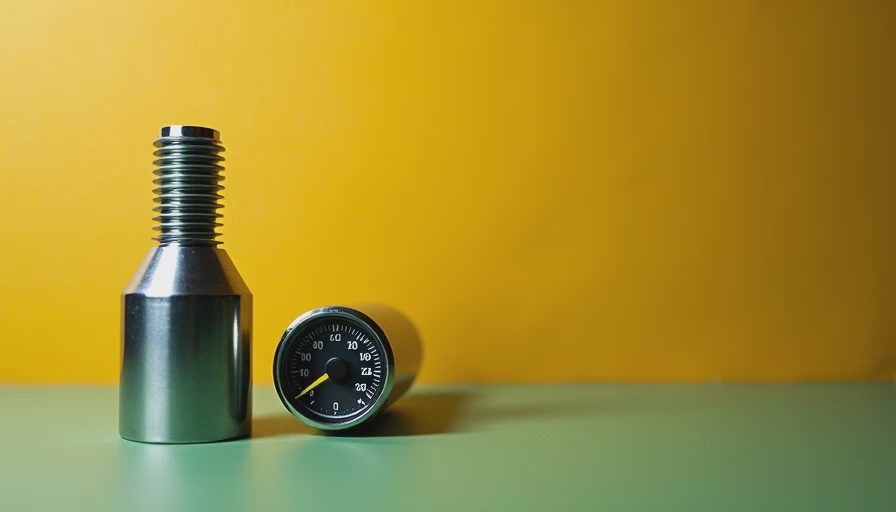
Do not confuse this device with an oxygen-sensor extender used for packaging or clearance. Both can look similar, but the intended use and effect are different. Photograph the original installation, measure the available depth, and identify whether the sensor is upstream or downstream before ordering anything.
Diagnose the Code Before Installing Anything
Start with a scan tool that can display stored codes, pending codes, freeze-frame data, and live data. A P0420 generally points to catalyst efficiency below threshold on bank 1; P0430 refers to bank 2. Neither code proves that the catalytic converter itself is bad. A leaking exhaust flange, cracked manifold, lazy oxygen sensor, misfire, rich mixture, or oil-burning engine can produce similar evidence.
Inspect the exhaust cold. Look for black soot around flanges and welds, loose spring bolts, broken hangers, and pinholes near the sensor bungs. Then check whether the engine has misfire, fuel-trim, or air-fuel-ratio codes. Fix those problems first. A converter exposed to repeated misfires can overheat and melt internally, and no o2 sensor spacer will undo that damage.
On a warmed engine, compare upstream and downstream sensor activity with the scan tool. Exact readings differ by sensor type, so do not treat one voltage number as universal. The useful question is whether the rear signal is behaving normally for that vehicle and whether the converter reaches operating temperature. An infrared thermometer can reveal a temperature difference across the converter, but temperature alone is not a complete catalyst test.
Why the Shortcut Often Fails
An o2 sensor spacer may postpone a check-engine light without solving the condition that triggered it. The computer runs several readiness monitors under specific speed, load, temperature, and fuel-level conditions. If the rear sensor signal becomes implausible, the computer can set codes such as P0136, P0137, P0138, or P0141 instead of the original catalyst code.
The part can also make diagnosis harder. A mechanic looking at a modified exhaust may spend extra time determining whether the adapter, sensor, wiring, or converter is responsible for the new data. Some spacers narrow the exhaust passage enough to collect condensation or soot around the sensor tip. Others use a tiny internal catalyst that becomes contaminated quickly when the engine burns oil or runs rich.
There is also a mechanical risk. Adding length can bring the sensor closer to the road, a heat shield, or a rotating component. A sensor that touches the chassis during engine movement can break its ceramic element or pull wiring from the connector. Before installation, cycle the suspension if practical and inspect the full range of engine movement.
Emissions and Inspection Concerns
An o2 sensor spacer is frequently marketed as a way to turn off a check-engine light. That use can interfere with emissions controls, and federal law prohibits tampering with emissions equipment on vehicles used on public roads. State inspection programs may also reject a vehicle with an illuminated malfunction indicator, incomplete readiness monitors, or evidence of modified emissions hardware.
A spacer can leave the vehicle appearing to run normally while pollutants remain above the intended limit. It can also create an inspection problem after the battery is disconnected, because clearing codes resets readiness monitors. A car that passes a short drive around the block may still fail after the computer completes its catalyst test.
Rules and inspection procedures differ by location, vehicle year, and application. If the vehicle is street-driven, the durable repair is to restore the exhaust and engine-management system to its original operating condition. Track-only or off-road equipment has different considerations, but it should not be represented as road-legal simply because the warning light is off.
Better Repair Paths
If testing confirms a failed converter, use a direct-fit replacement that matches the vehicle's emissions certification. A low-cost universal converter can create fitment and monitoring problems, especially on newer cars with closely calibrated air-fuel sensors. Compare the part number, emissions designation, flange layout, oxygen-sensor ports, and included gaskets before buying.
If the sensor is slow, contaminated, or damaged, replace it with a correct application part from a reputable supplier. Bosch, Denso, NTK, and the vehicle manufacturer are common sources, but the correct part number matters more than the logo. Do not install an upstream air-fuel sensor where a conventional downstream oxygen sensor belongs.
Repair exhaust leaks with proper gaskets, hardware, or welded sections. Correct ignition misfires, vacuum leaks, fuel-pressure problems, injector faults, and oil consumption before condemning the converter. A new converter can fail quickly when the original engine problem remains.
Installation Checks and Final Recommendation
If you are evaluating an o2 sensor spacer already installed on a vehicle, first record all codes and freeze-frame data. Inspect its threads for cross-threading, verify that the sensor is not bottomed out, and check the harness for melting. Remove the adapter if it creates a clearance or wiring hazard. Use penetrating oil and the correct oxygen-sensor socket rather than twisting the harness with ordinary pliers.
After a legitimate repair, clear codes only when appropriate, then complete the manufacturer's drive cycle and rescan for pending codes. Confirm that monitors run and that no new sensor or heater fault appears. A short-term improvement is not proof of a successful repair.
The practical recommendation is simple: treat an o2 sensor spacer as a diagnostic clue, not a repair strategy. If a vehicle has a catalyst code, spend the money on scan data, leak testing, and a proper inspection first. That approach costs less than replacing a converter unnecessarily and avoids turning a temporary warning-light trick into an emissions, inspection, or drivability problem.





No comments yet — grab the first one.