If you are servicing an older car, r12 refrigerant can turn a simple air-conditioning recharge into a research project. R-12 was common in vehicles built before the mid-1990s, but it is no longer sold as a normal service gas in the United States. Before connecting a gauge set, identify the refrigerant, inspect the compressor and hoses, and decide whether the system should be repaired as original or converted to a modern substitute.
What r12 refrigerant is and why it disappeared
R12 refrigerant is dichlorodifluoromethane, a chlorofluorocarbon commonly known as CFC-12. It worked well in automotive A/C systems, with mineral oil lubrication and operating pressures suited to the compressors used in older vehicles. The problem was environmental: released CFCs damage stratospheric ozone. Under the Montreal Protocol and related US rules, production and import of new R-12 were phased out in 1996.
The phaseout does not mean every old system must be scrapped. Reclaimed r12 refrigerant can still exist, but supply is limited and prices are often high. A small cylinder can cost several hundred dollars, depending on purity and availability. That makes an original recharge expensive compared with an approved retrofit using R-134a or another compatible refrigerant.
Never vent r12 refrigerant into the air. Automotive recovery work is regulated under EPA Section 609, and a technician servicing motor vehicle air conditioning needs the appropriate certification and recovery equipment. A shop should pull the charge into a recovery cylinder, weigh what came out, and record any oil contamination or unusual odor.
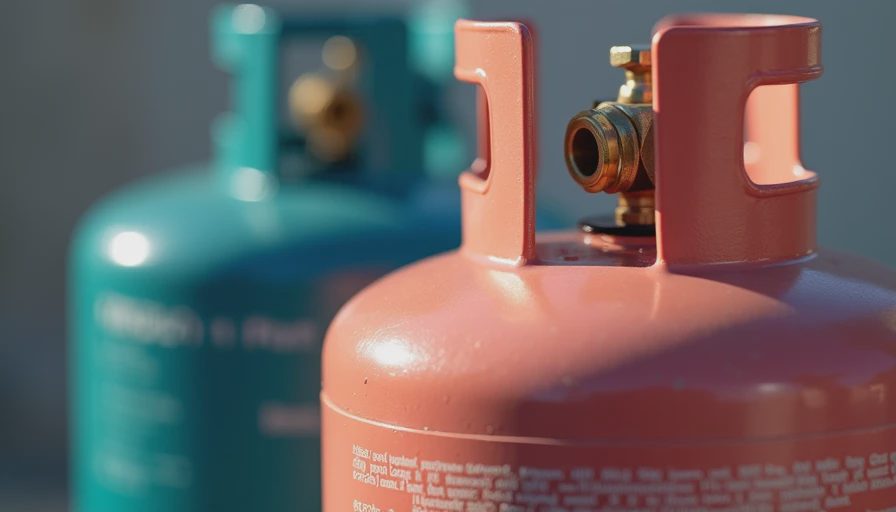
How to confirm an older system still uses R-12
Do not identify the charge by vehicle age alone. Look for the service label under the hood, usually near the radiator support, firewall, or compressor. Original R-12 systems normally use threaded service fittings. Later R-134a systems use quick-connect fittings with different high- and low-side sizes. An added retrofit label is important evidence, but labels can fall off or be installed incorrectly.
Check the compressor, hoses, condenser, receiver-drier, and expansion valve together. A 1988 vehicle might still have its factory r12 refrigerant, or it might already have been converted. A gauge set is useful for pressure readings, but pressure alone does not identify the gas. Mixing refrigerants makes recovery, leak diagnosis, and charging less reliable.
If the label is missing, recover a sample with certified equipment and have the refrigerant identified. Do not connect a disposable can of substitute gas as a test. An inexpensive identifier or professional inspection is cheaper than contaminating a recovery machine and paying for a complete system cleanup.
Repairing the original system before charging
An empty system has a leak; it did not simply use up its refrigerant. Common leak points include the compressor shaft seal, hose crimps, service valves, condenser seams, evaporator connections, and the receiver-drier. Add ultraviolet dye only when the dye is compatible with the oil and refrigerant already in the system. Soap solution works on accessible fittings, while an electronic detector can find small leaks around an evaporator case.
Replace failed O-rings with the correct material for the chosen refrigerant and oil. Replace the receiver-drier whenever the system has been open to air for a significant period. Moisture can react with refrigerant and oil, creating acids that damage aluminum components and compressor bearings. A vacuum pump removes air and moisture; it does not repair a leak.
If retaining r12 refrigerant, use the factory service specification for the charge amount and oil type. Do not charge by pressure alone. Ambient temperature, airflow across the condenser, engine speed, and the exact refrigerant mass all affect gauge readings. The scale matters more than a convenient pressure number.

Choosing an R-134a conversion
R-134a is the most common replacement for r12 refrigerant in older automotive systems. A proper conversion is more than screwing on adapter fittings. The technician should recover the old charge, repair leaks, drain or account for the original mineral oil, install compatible oil as required, replace service fittings, evacuate the system, and apply a permanent retrofit label.
Some conversions need a new receiver-drier, compressor, pressure switch, or expansion valve. Older hoses and seals can also leak after the system is disturbed. R-134a typically operates at higher head pressure than R-12, so condenser condition and electric fan performance become more important. On a marginal system, vent temperature may be warmer at idle after conversion, especially in heavy traffic or hot climates.
A retrofit kit from a recognizable supplier may include fittings, labels, oil, and basic instructions, but the contents vary. Read the compressor manufacturer's requirements rather than pouring an entire bottle of oil into the system. Too much oil reduces heat-transfer capacity and can cause poor cooling or liquid slugging.
Alternative refrigerants and garage hazards
Several replacement gases are marketed as substitutes for r12 refrigerant. Some are blends containing hydrocarbons such as propane or isobutane. They can produce acceptable cooling, but flammability creates a serious hazard during collision repairs, welding, recovery, and refrigerant disposal. A substitute that fits a service port is not automatically approved for every vehicle or recovery machine.
Other blends have different pressure-temperature behavior and may require a specific charge procedure. Never mix an unknown substitute with R-134a or r12 refrigerant. A contaminated system can require specialized recovery and disposal, and the next technician may not know what is inside without testing.
Use safety glasses and gloves when opening an A/C circuit. Liquid refrigerant boils rapidly at atmospheric pressure and can cause frostbite. Work outdoors or in a well-ventilated area, keep ignition sources away from flammable products, and follow the equipment manual. Refrigerant cylinders should remain upright, protected from heat, and never be refilled casually.
A practical decision for the DIY owner
For a valuable restoration with an intact, leak-free factory system, preserving r12 refrigerant can make sense if certified recovery and charging service is available. The original configuration may deliver excellent cooling and avoid unnecessary component changes. The cost is the limited refrigerant supply and the difficulty of finding a shop willing to service it.
For a daily driver, a well-documented R-134a conversion is usually easier to maintain. Parts are widely available at stores such as NAPA, AutoZone, and O'Reilly Auto Parts, and most automotive A/C shops have compatible equipment. A complete repair and retrofit can commonly run from about $600 to $1,500, depending on compressor, condenser, evaporator, hose, and labor needs. A simple leak repair costs less; a seized compressor can push the bill higher.
Before approving work, ask for the refrigerant type, charge weight, oil specification, replacement parts, leak-test method, and final vent-temperature test. Keep the invoice and retrofit label in the glove box. That record prevents the next person from accidentally adding r12 refrigerant to a converted system.
Final garage checklist
Start by reading the under-hood label and identifying the service fittings. Photograph the compressor, hose routing, and existing labels before removing anything. Recover the charge with approved equipment, then locate and repair the leak instead of topping off the system repeatedly. Replace the drier when the circuit has been open, use the correct seals and oil, and evacuate the system with a vacuum pump.
Charge by measured weight from the vehicle or retrofit specification. Confirm that the condenser fan operates, the compressor cycles normally, and the vents produce consistent cooling at idle and road speed. Record the ambient temperature and final charge. If the system contains unknown r12 refrigerant or a mystery blend, stop and have it identified before connecting more equipment.
The central rule is simple: identify first, recover legally, repair the leak, and charge only with a known compatible refrigerant. That procedure protects the compressor, the recovery equipment, and the person standing over the fender at 2 AM.





No comments yet — grab the first one.