When temperatures drop below zero, block warmers car owners install can make the difference between a quick start and a starter motor that only clicks. A block heater warms the engine coolant or oil before you turn the key. That reduces the effort required to crank thick cold oil and helps the engine reach operating temperature sooner. For drivers in Minnesota, North Dakota, Montana, Alaska, Colorado mountain towns, and parts of New England, this is practical equipment rather than a luxury.
The phrase block warmers car owners use usually describes several related products. A traditional coolant heater replaces a freeze plug in the engine block. An oil-pan heater attaches to the pan and warms the oil directly. An inline coolant heater sits in a heater hose, while a magnetic heater attaches temporarily to a metal oil pan. Each design has different installation requirements, heating speed, and safety considerations.
How an engine block heater works
A cold engine has two immediate problems: the oil flows slowly, and the battery produces less cranking power. At 0 degrees Fahrenheit, engine oil can be dramatically thicker than it is at 70 degrees. The starter must overcome that resistance while the battery is already operating below its ideal temperature range.
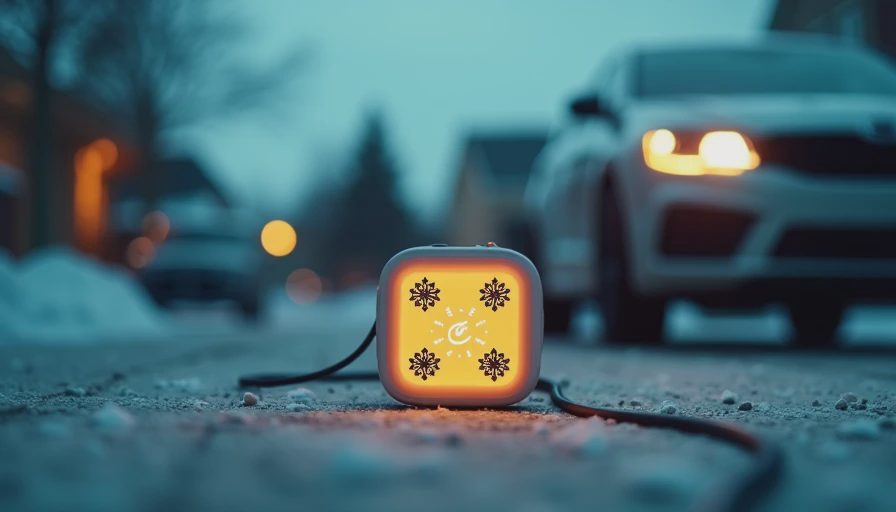
A block heater commonly uses a 300- to 1,500-watt electric heating element. The element transfers heat into coolant, engine metal, or oil, depending on the design. After two to four hours, the engine is typically warmer than the surrounding air. Leaving it plugged in all night usually adds little benefit after the first few hours and increases electricity use.
Some block warmers car owners choose are designed for factory installation. Many Ford, Chevrolet, GMC, Ram, Toyota, and Subaru trucks have optional heaters or threaded locations intended for them. The owner’s manual or a service manual should identify the correct part, location, and installation method. Do not assume that a universal freeze-plug heater fits every engine; plug diameter, access, and coolant passage depth all matter.

A warm engine also produces cabin heat sooner, which helps clear frost from the windshield. That does not replace a properly working defroster, thermostat, or cooling system. It simply gives the system a head start. The heater should be switched off and unplugged before driving, and the cord should be routed away from belts, fans, exhaust components, and sharp body edges.
Choosing the right heater for your vehicle
The most reliable choice is usually the heater specified by the vehicle manufacturer or a reputable supplier such as Zerostart, Kat’s, Phillips & Temro, or Wolverine. Verify the engine code, model year, oil-pan material, and available electrical connection before ordering. A heater listed for a 2.3-liter engine may not fit the 2.0-liter version in the same model line.
A freeze-plug or coolant heater offers efficient heat transfer, but installation can be difficult. Access may require removing the starter, exhaust shielding, or other components. Coolant must be drained, the plug removed without damaging the block, and the heater seated correctly. A leak after installation can cause low coolant, overheating, or an air pocket in the cooling system.
An adhesive oil-pan heater is easier for many DIY owners. Clean metal is essential, and the pad must be installed on the correct flat portion of the pan. It should not be placed over a drain plug, gasket seam, plastic shield, or heavy road grime. Magnetic heaters are convenient for temporary use, but they can shift or fall away and generally transfer heat less evenly.
For a vehicle that sits outside every night, permanent installation is usually worth the extra work. For an older car used only during occasional cold snaps, a portable heater can be less expensive. Typical heater prices range from about $35 for a basic magnetic unit to $150 or more for a vehicle-specific coolant heater. Professional installation can add $100 to $300, depending on access.
Installation and safe operating procedure
Before starting, inspect the cord for cracked insulation, exposed copper, bent prongs, or water intrusion. Use a grounded outdoor-rated extension cord sized for the heater’s wattage. A 1,000-watt heater draws roughly 8.3 amps on a 120-volt circuit, so avoid sharing a weak circuit with a space heater, battery charger, or other high-load device.
For block warmers car owners install at home, the safe sequence is straightforward. Park on a level surface, allow the engine to cool, disconnect the negative battery cable when the service procedure calls for it, and support the vehicle securely if access underneath is required. Never rely on a jack alone. Follow the heater instructions for sealant, orientation, and tightening. If coolant is drained, refill with the correct mixture and bleed air according to the manufacturer’s procedure.
After installation, inspect for coolant or oil leaks before connecting power. Plug the cord into a ground-fault-protected outdoor receptacle. After two hours, feel the cord and plug carefully. They can be warm, but they should not be hot, melted, discolored, or loose. A tripped breaker, burning odor, or damaged insulation means the heater should be disconnected immediately.
When to plug it in and what it saves
A timer is useful because most block warmers car owners use do not need to run continuously. Set it to turn on two to four hours before departure. At temperatures around 20 degrees Fahrenheit, two hours may be enough for a healthy engine. At minus 20 degrees, three or four hours gives the heater more time to overcome heat loss. An outdoor timer rated for the electrical load can automate the schedule.
Electricity cost depends on the heater and local utility rate. A 500-watt unit running for three hours uses 1.5 kilowatt-hours. At 16 cents per kilowatt-hour, that session costs about 24 cents. A 1,000-watt heater used for the same period consumes 3 kilowatt-hours, or roughly 48 cents at that rate. A timer prevents the common mistake of paying to heat the engine for 12 unnecessary hours.
The savings are not limited to electricity. Easier starts reduce strain on the battery and starter, while faster oil circulation can reduce cold-start wear. The heater does not make an unsafe battery healthy or fix poor ignition, weak glow plugs, low compression, or contaminated fuel. It should support maintenance, not conceal a mechanical fault.
Winter insurance and roadside planning
Block warmers car owners rely on can reduce starting trouble, but insurance usually does not pay for routine maintenance or a failed heater. Comprehensive coverage generally applies to non-collision damage such as theft, hail, or animal impact, not normal wear from cold weather. Liability coverage pays for injuries or property damage you cause to others; it does not repair your own engine.
Roadside assistance can be useful when a battery still fails, a vehicle becomes disabled, or a driver needs a jump-start or tow. Availability and service limits differ by insurer. GEICO, Progressive, State Farm, and other major carriers commonly offer roadside options, but the price, trip limits, and covered services depend on the policy. Compare those details before a deep-freeze emergency, not while standing beside a dead vehicle.
An insurance quote is also a chance to review comprehensive and collision deductibles, rental reimbursement, and emergency roadside coverage together. A lower premium is not automatically a better winter plan if the policy leaves a long tow distance or an unaffordable deductible. Photographing the installed equipment, keeping the receipt, and recording the installation date can help document maintenance, even though it does not guarantee a claim payment.
Final inspection checklist
Before winter arrives, confirm that the heater matches the engine and that the cord reaches a grounded outlet without tension. Inspect the electrical connection, check coolant and oil levels, test the battery, and make sure the thermostat reaches normal operating temperature. Start the vehicle after a timed heating cycle and listen for smooth cranking rather than relying only on cabin heat.
If the engine still cranks slowly, measure battery voltage and charging output. A fully charged battery is normally close to 12.6 volts with the engine off, while a running charging system often measures around 13.5 to 14.8 volts. These figures are useful checks, not substitutes for the exact specifications of every vehicle.
For severe winter climates, block warmers car owners install correctly are inexpensive insurance against avoidable starting problems. Choose the heater by engine application, install it with attention to sealing and cord routing, operate it with a timer, and pair it with sound battery maintenance and appropriate roadside coverage.

No comments yet — grab the first one.