The 2013 hyundai equus is an overlooked full-size luxury sedan with a V8, rear-wheel drive, and equipment that once put it against the Lexus LS and Mercedes-Benz S-Class. Today, it can be an unusually inexpensive way to get a quiet, powerful highway car, but purchase price is only part of the calculation. Repair access, tire costs, electronics, and insurance coverage deserve the same attention as the paint and leather.
What the 2013 hyundai equus delivers
The Equus came in Signature and Ultimate trims. Both used a 5.0-liter Tau V8 making roughly 429 horsepower with an eight-speed automatic transmission. The result is strong acceleration without the hard ride found in some sport sedans. The long hood, soft suspension, heated and ventilated seats, power rear sunshades, and available rear-seat controls make it feel substantially more expensive than many used-car listings suggest.
The Ultimate trim adds features such as a rear-seat entertainment system, a power-adjustable passenger seat, additional interior controls, and more premium cabin appointments. Those features are useful when they work and expensive when they do not. A failed screen, seat module, air suspension component, or camera is not the same budget problem as a broken window switch on an economy sedan.
Fuel economy is the tradeoff. The V8 requires premium gasoline for best operation, and city driving can produce low-teens mileage. A clean example with service records can still be sensible for a commuter who drives moderate miles, but a buyer covering 20,000 miles per year should budget fuel before calling the car a bargain.
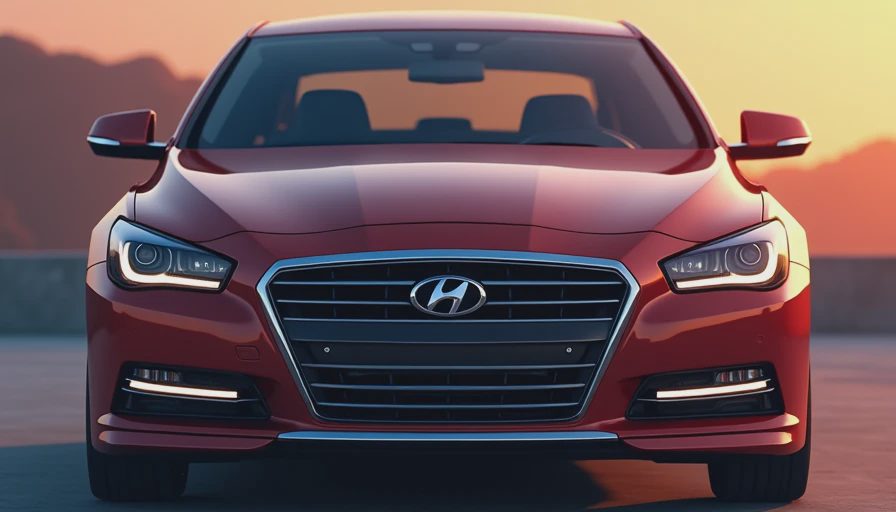
Inspection points before buying
Start with a cold engine and verify that the seller has not warmed the car to hide startup noise. Listen for ticking, tapping, or a rough idle. Scan every control module, not only the engine computer. A basic OBD-II reader can identify powertrain codes, but a Hyundai-capable scan tool is better for body, suspension, airbag, and electronic faults.
Check the dashboard for warning messages, then operate every seat adjustment, memory setting, climate function, window, sunshade, audio control, and camera. Test the parking sensors and navigation screen while the car is stationary. On a 2013 hyundai equus, an apparently minor electrical fault can point to a weak battery, water intrusion, wiring damage, or a failing control module.
Inspect the air suspension if equipped. Let the car sit overnight on level ground and compare ride height at all four corners. A low corner suggests a leak or failed valve, while a compressor that runs too often deserves investigation. During the road test, note steering vibration under braking, clunks over uneven pavement, delayed transmission engagement, and a pull under acceleration.
Lift the car and look for oil leaks around the valve covers, timing cover, and rear main seal area. Examine the driveshaft, differential, control-arm bushings, brake rotors, and tire wear. Uneven inner-edge wear can indicate alignment or suspension trouble. A pre-purchase inspection from an independent shop is money well spent; a $150 to $250 inspection can prevent a four-figure surprise.
Common ownership costs
The 2013 hyundai equus is not mechanically exotic in the same way as some European luxury sedans, but parts and labor remain premium-car territory. An oil service may cost about $90 to $180 depending on oil, filter, and shop rates. A set of quality tires can run $700 to $1,200, and large brake jobs can exceed $1,000 when rotors, pads, and hardware are replaced together.
Battery condition matters because modern luxury cars react badly to low voltage. If the battery is weak, modules can generate unrelated-looking warnings. Use the correct battery type, register it if the service procedure requires that step, and inspect charging voltage before replacing expensive electronics.
Cooling-system service should not be ignored. Check the coolant level only when the engine is cold, inspect hoses for swelling, and look for dried residue around the radiator, water pump, and hose connections. Overheating a V8 can turn a manageable cooling repair into major engine work. Transmission fluid condition, differential leaks, and neglected spark plugs also deserve attention at higher mileage.
Insurance coverage for this luxury sedan
Insurance pricing for a 2013 hyundai equus depends on the driver's record, location, annual mileage, garaging address, credit-based insurance score where permitted, trim, and selected limits. The car's age can reduce its market value, but its original luxury equipment and higher repair costs can keep comprehensive and collision premiums above those for a similarly aged compact sedan.
Liability coverage pays for damage or injuries you cause to other people, subject to your policy limits. Collision coverage addresses damage from a crash, while comprehensive coverage generally handles non-collision losses such as theft, hail, falling objects, animal strikes, and fire. If the sedan is financed, the lender will normally require comprehensive and collision coverage with a deductible.
Compare quotes using the same limits and deductibles. A policy with a $500 collision deductible cannot be compared fairly with one using $1,500. Ask about rental reimbursement, roadside assistance, uninsured motorist protection, and glass coverage. For an older Equus, calculate whether the annual cost of full coverage makes financial sense against the vehicle's actual cash value. Dropping collision can reduce the bill, but it also leaves you responsible for replacing or repairing the car after an at-fault crash.
A realistic quote can change significantly between insurers. GEICO, Progressive, State Farm, Allstate, and regional carriers use different rating models, so requesting several quotes is more useful than assuming one brand is always cheapest. Bundling renters or homeowners coverage, maintaining continuous insurance, selecting a higher deductible you can actually pay, and documenting low annual mileage can improve the result.
A practical buying checklist
Before making an offer on a 2013 hyundai equus, complete these steps:
- Run the vehicle identification number through a reputable history service and compare the report with the title and dashboard mileage.
- Confirm the exact trim, because Ultimate equipment can add more electronics and replacement expense.
- Check for open safety recalls through the National Highway Traffic Safety Administration or a Hyundai dealer.
- Scan all modules and save the code report before clearing anything.
- Measure tire tread, inspect brake thickness, and look for uneven suspension wear.
- Test every luxury feature with the engine running and the vehicle at operating temperature.
- Get a written inspection and repair estimate from a shop familiar with Hyundai luxury models.
- Obtain an insurance quote using the vehicle identification number before handing over a deposit.
A seller who refuses an independent inspection is providing useful information: walk away. Likewise, a low price does not compensate for a car needing four tires, air-suspension work, brakes, and electronic diagnosis at the same time.
Is the Equus worth owning?
The 2013 hyundai equus makes sense for a hands-on owner who values quiet highway comfort, V8 power, and a well-equipped cabin more than maximum fuel economy. It is especially attractive when the purchase includes complete service records, even tire wear, a healthy battery, and a clean scan with no warning lights. The best examples are often less expensive to buy than comparable Lexus or German sedans, while still requiring a luxury-car maintenance budget.
Set aside an emergency reserve of at least $2,000 to $4,000 after purchase. That reserve is not a prediction of one specific failure; it is protection against stacking several normal used-car needs in the first year. Get insurance quotes, verify coverage limits, and price parts before negotiating. With that preparation, this sedan can be a comfortable daily driver instead of a cheap car that becomes expensive the first time a warning light appears.





No comments yet — grab the first one.