A 2004 Malibu car can be a cheap, useful commuter, but the badge covers more than one configuration. Chevrolet introduced an all-new Malibu for 2004 while continuing the older Malibu Classic in some markets. That means the first job is identifying the exact body, engine, transmission, and build date before ordering parts. A practical inspection can separate a $2,000 transportation solution from a project that will consume twice its value.
Identify the 2004 Malibu before buying parts
The new-generation 2004 Malibu used a front-wheel-drive platform with four-door sedan styling. Depending on trim, it could have a 2.2-liter Ecotec four-cylinder or a 3.5-liter V6. The older Malibu Classic was a different car mechanically and cosmetically, commonly associated with the earlier 3.1-liter V6. Check the eighth character of the VIN, the engine label, emissions sticker, and door-jamb build information. Photograph those labels before visiting a parts counter.
This distinction matters for brake components, engine sensors, belts, mounts, suspension parts, and transmission service procedures. Even listings that call every example a 2004 Malibu can mix the new sedan, the Classic, and fleet-market variations. A vehicle history report can reveal title branding, accident records, odometer entries, and whether the car spent years in a salt-heavy region. None of those reports replaces a hands-on inspection, but they help explain why two apparently identical cars have very different prices.
Under the hood, look for oil leaks around the valve cover, front cover, and oil pan. A damp surface is not automatically a failure; fresh oil dripping onto the driveway is. Inspect the coolant reservoir for the correct color and level, then look for crusty residue near hoses, the radiator, and the water pump area. Do not open a hot cooling system. On a cold start, listen for a steady idle rather than a metallic knock, belt squeal, or repeated ticking.
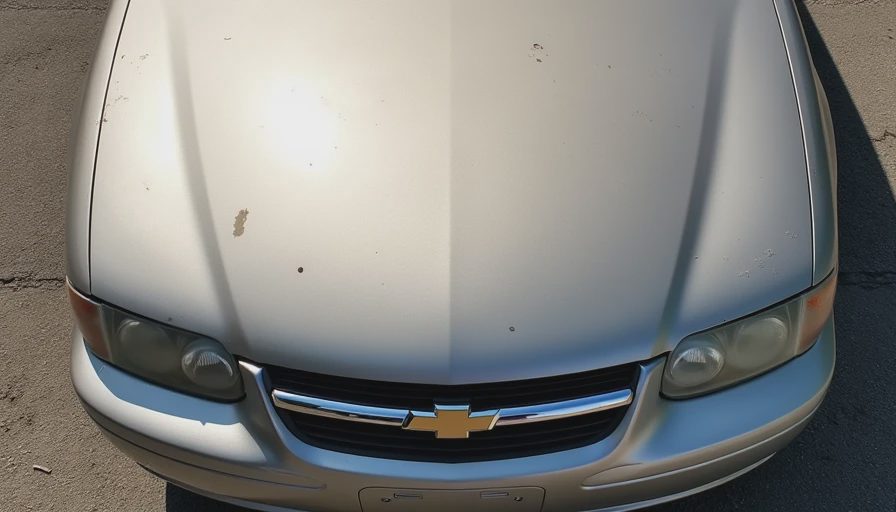
Common failures and useful diagnostic steps
Many 2004 Malibu car complaints begin with electrical symptoms: intermittent gauges, warning lamps, a dead power window, or accessories that work only after tapping a panel. Start with battery voltage and charging voltage rather than replacing modules immediately. A healthy, fully charged battery is generally near 12.6 volts with the engine off, while a running charging system often measures roughly 13.5 to 14.8 volts. Loose grounds, corroded terminals, and a weak battery can create several unrelated-looking faults.
Use an OBD-II scanner to record stored and pending codes before clearing anything. A code identifies a circuit or system that needs testing; it does not automatically identify the failed part. For a misfire code, inspect plug condition, coil operation, injector wiring, and compression as appropriate. For an oxygen-sensor code, check exhaust leaks and wiring before buying a sensor. Keep the original codes and freeze-frame data in your notes so another repair does not erase useful evidence.
The automatic transmission deserves a cold and hot road test. Delayed engagement, a hard shift, slipping under throttle, or a flare between gears is more serious than a slightly firm shift. Look at the fluid condition according to the correct service procedure for that transmission; do not rely on a generic dipstick assumption. A fluid exchange cannot repair worn clutches, although fixing a leak and using the specified fluid can prevent a manageable problem from becoming a full replacement.
A 2004 Malibu car may also need front-end work after years of potholes. Clunks over small bumps can come from sway-bar links, bushings, strut mounts, or ball joints. With the front safely supported, check for looseness at the wheel and inspect torn rubber boots. Never work under a vehicle supported only by a jack. If a ball joint or tie-rod end has play, treat it as a safety repair, not an annoyance that can wait for the next oil change.
Repair priorities and realistic costs
Put safety and reliability ahead of cosmetic improvements. A reasonable order is tires and brakes, steering and suspension, cooling-system leaks, engine oil leaks, charging faults, and then convenience features. Four usable tires can cost approximately $350 to $800 for common sizes, while front brake pads and rotors may run $250 to $600 at an independent shop. These are broad planning ranges, not quotes, but they show why a cheap purchase can become expensive quickly.
A battery, serpentine belt, air filter, and spark plugs are familiar driveway jobs when inspection confirms they are needed. Use a torque wrench and the service information for the exact engine rather than relying on a universal value. Aluminum threads can be damaged by over-tightening, especially around sensors and valve covers. Mark electrical connectors before removal, route wires away from exhaust heat, and perform a leak check after the first warm-up cycle.
For a 2004 Malibu car with poor brakes, severe rust, transmission slipping, and an overheating complaint, add the repair estimates before negotiating. A car priced at $1,800 is not a bargain if it needs $2,500 in immediate work. Conversely, a clean example with service records, solid tires, and a quiet drivetrain can justify a higher purchase price because the expensive unknowns have already been reduced.
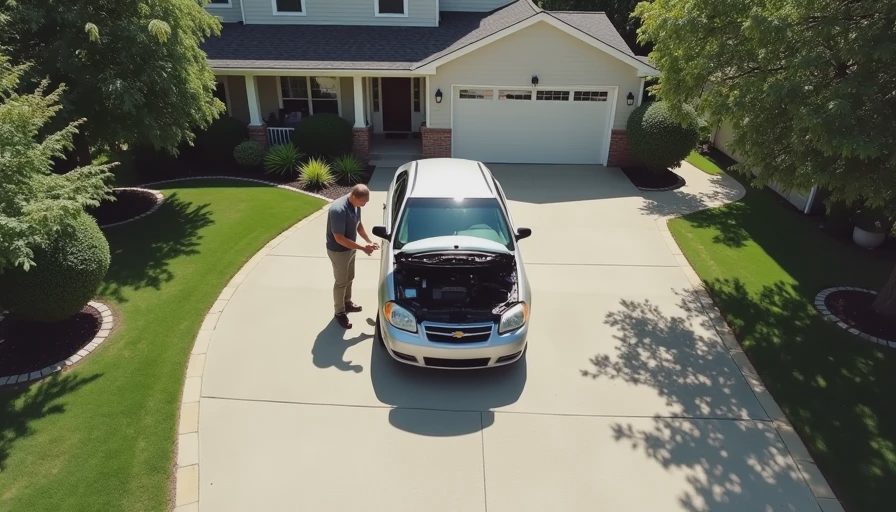
Insurance, registration, and daily-use checks
Insurance pricing depends on the driver, location, coverage limits, mileage, claims history, and the vehicle's value. Because an older Malibu may have modest market value, some owners compare the cost of collision coverage with the likely payment after a total loss. Liability coverage remains important because it pays for covered damage or injuries you cause, subject to policy limits. Comprehensive coverage addresses non-collision losses such as theft, hail, falling objects, or animal impact, while collision generally applies to crash damage after the deductible.
Before driving a newly purchased 2004 Malibu car, confirm the title, registration, insurance card, and VIN all match. Ask an insurer for a quote using the correct trim and vehicle identification number. Removing unnecessary coverage is not the same as choosing low liability limits; saving a few dollars each month can leave a driver exposed after a serious crash. Compare at least three quotes with the same limits and deductibles so the prices are meaningful.
Inside the cabin, test every seat belt, airbag warning light, horn, exterior lamp, wiper speed, defroster, and window. The airbag light should illuminate during the bulb check and then go out. If it stays on, scan the restraint system with equipment capable of reading that module; a basic engine-code reader may not show the fault. Check that the tire-pressure warning system, if equipped, is not being ignored after a tire change.
A garage inspection checklist
Bring a flashlight, tire-pressure gauge, OBD-II scanner, paper towels, a small magnet for suspicious body filler, and a notebook. Inspect the car cold. Record the oil level, coolant level, brake-fluid condition, tire dates, tread depth, and dashboard warning lights. Start the engine without touching the accelerator, then watch the exhaust and listen from both the front and rear of the vehicle.
During the road test, verify straight tracking, steering return, brake-pedal feel, transmission engagement, temperature stability, and operation of the air conditioner. Afterward, look underneath for fresh fluid. A warm engine can hide a weak battery or an intermittent sensor fault, so repeat the start after the test drive. If the seller refuses a cold start or an independent inspection, walk away rather than guessing.
Document every repair with the date, mileage, part brand, and symptom that led to it. That record helps the next diagnosis and improves resale credibility. A 2004 Malibu car is old enough that maintenance history often matters more than a polished exterior. The right example is not necessarily perfect; it is one with a known condition, manageable rust, functioning safety equipment, and a repair plan that fits the owner's budget.
Bottom line for owners and buyers
The 2004 Malibu car can still serve well when its identity is confirmed and its basic systems are tested methodically. Start with VIN and engine verification, scan before replacing parts, inspect suspension and brakes carefully, and price major repairs before signing a title. Get an insurance quote using matching vehicle information and coverage limits. For a garage mechanic, this platform offers accessible maintenance and plentiful parts, but age-related electrical, rust, cooling, and transmission problems demand evidence instead of optimism.


No comments yet — grab the first one.