If you are shopping insurance for a 2018 GMC Terrain, the first thing to know is that it usually sits in the middle of the market: not cheap like an old base sedan, not expensive like a luxury crossover. That matters because the premium is shaped by more than just the badge on the grille. Trim level, driver-assist equipment, annual mileage, garage storage, and your deductible all move the number. For a shopper comparing quotes, the goal is not to chase the lowest price blindly. It is to match coverage to the way the SUV is actually used, then keep the out-of-pocket risk in a range you can live with.
Why this SUV usually lands in the middle of the rate chart
A 2018 GMC Terrain is generally priced like a mainstream compact SUV, which means insurers do not treat it as a high-theft sports vehicle or a bargain-basement commuter. That helps. But a higher trim can add cost because wheels, sensors, and interior parts are more expensive to replace. If the vehicle has more driver-assist hardware, a simple bumper repair can turn into a parts-and-calibration bill instead of a quick paint job. In practical terms, many drivers with clean records see annual full-coverage quotes somewhere around the low four figures, while drivers with recent tickets, claims, or low deductibles can land much higher. The spread is wide because insurers price the driver first and the vehicle second.
Coverage that makes sense before you accept a quote
Liability coverage is the foundation, and it is the part that pays for damage you cause to other people. If you finance the SUV, collision and comprehensive are usually the pieces that matter most to your own wallet. Collision handles crash damage; comprehensive handles theft, hail, glass breakage, fire, animal strikes, and other non-collision losses. On a 2018 GMC Terrain, comprehensive is often worth the price because one hail claim or a cracked windshield can be more expensive than a year of premiums on a bare-bones policy. Uninsured and underinsured motorist coverage is another smart add if your state offers it, since it can help when the other driver carries too little insurance. Rental reimbursement and roadside assistance are not mandatory, but they can save a lot of hassle if the SUV is your daily driver.
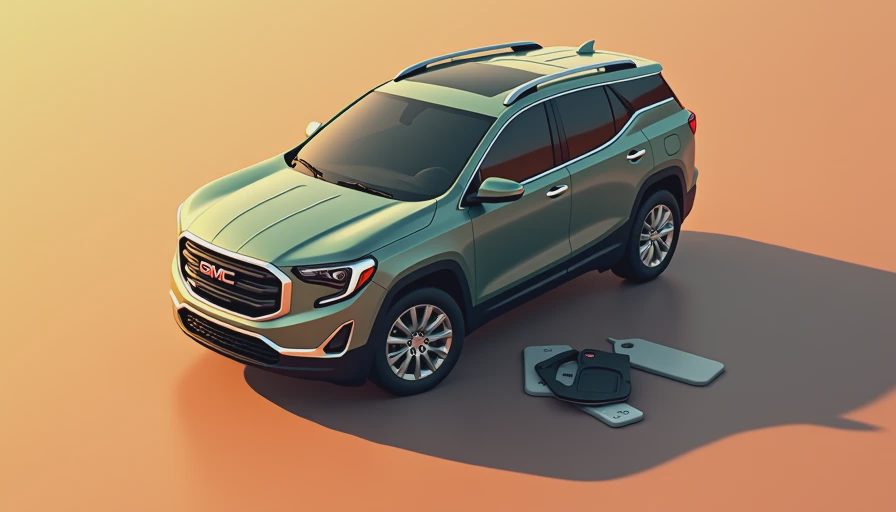
What pushes the premium up fastest
The biggest price swings usually come from usage and history, not from the color of the vehicle or the fuel economy rating. A long commute, high annual mileage, a lapse in coverage, or a recent at-fault crash will hit harder than a trim badge. Young drivers and drivers with tickets also pay more, because insurers assume a higher chance of claims. A 2018 GMC Terrain parked on a city street can cost more to insure than the same SUV stored in a driveway or garage. Deductibles matter too: raising comp and collision deductibles from $500 to $1,000 often drops the premium, but only if you can handle the larger repair bill later. That tradeoff is reasonable for someone with a solid emergency fund and bad for someone who would struggle to pay the deductible after a loss.
Common repair bills that turn into claims
The repair side of ownership is where many quotes start to make sense. A bumper cover, parking sensor, and paint blend can easily move from a few hundred dollars to well over $1,000 at a body shop. A windshield on a modern SUV can also cost more than people expect, especially if cameras or recalibration are involved. Tires and wheels are another pain point when potholes or curb strikes are part of the commute. On a 2018 GMC Terrain, even a small hit can stack labor, paint, clips, and alignment work into a bill that makes a claim look attractive. That is why a low premium with a very high deductible is not always a win. If the likely repair is close to your deductible, you are basically self-insuring the first part of every loss.
How to quote it without buying coverage you do not need
Start with the vehicle identification number, mileage, zip code, and exact trim. Then quote the same liability limits across every carrier so you are comparing apples to apples. After that, decide whether a $500 or $1,000 deductible fits your cash flow. If the SUV is paid off and sits mostly in a garage, some drivers can reduce cost by trimming extras they do not use every week. If the SUV carries family gear, long commutes, or winter driving duty, keep the coverage broader. It also helps to compare direct writers like GEICO and Progressive with a more traditional carrier such as State Farm, especially if you like agent help. USAA is often strong for eligible military families. The cheapest quote is not always the best if claims service, rental coverage, or claim handling speed matters to you.
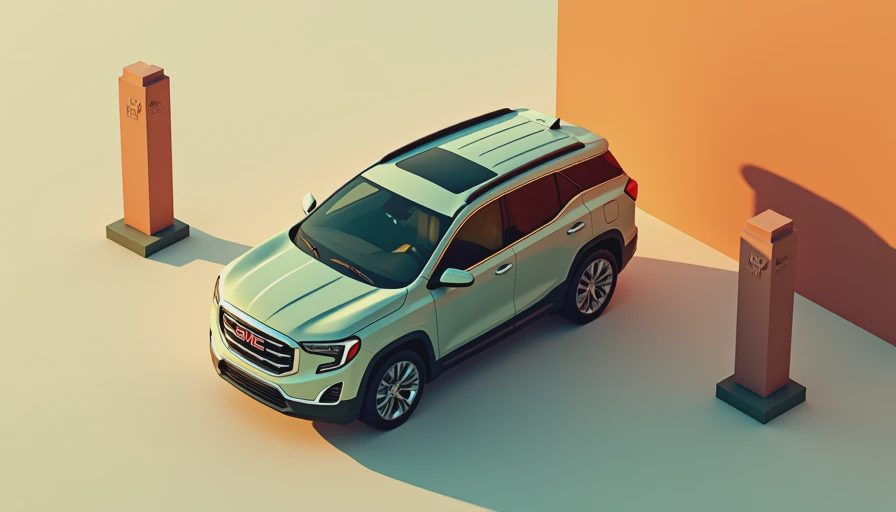
When a better quote is really about a better profile
If one quote comes back far below the others, check whether the coverage is actually thinner, not better priced. A low number can hide state-minimum liability, a huge deductible, or no rental coverage at all. That is risky on a 2018 GMC Terrain because the first real repair can eat the savings fast. A more useful target is a quote that keeps premiums manageable while leaving enough room for a replacement windshield, a minor collision, or a weather claim without panic. If your driving record is clean, bundling home and auto can help. If the record is not clean, the fastest win is usually time: avoid lapses, keep mileage honest, and re-shop every 6 to 12 months. When you do that, the market often rewards you more than a one-time discount ever will.
The short version for shoppers who want the clean answer
A 2018 GMC Terrain is not usually a hard vehicle to insure, but the final price depends on the same things that drive most SUV quotes: your record, your mileage, where it sleeps at night, and how much repair risk you are willing to carry yourself. If you want the best result, compare identical limits, set a deductible you can actually pay, and make sure comp and collision match the value of the SUV. That simple approach usually beats chasing the first low quote that shows up in your inbox.


No comments yet — grab the first one.