Brake pad replacement cost is one of those repairs that looks straightforward until the estimate shows up with labor, rotor notes, hardware, and tax. For a normal passenger car, an independent shop often lands around $150 to $400 per axle if the rotors are still in spec. A dealer or luxury-car quote can run higher, and a do-it-yourself job might cost $60 to $180 in parts plus your time. The big question is not just what the pads cost, but whether the car needs anything else while the wheels are off.
What sets brake pad replacement cost
The first split is front versus rear. Front pads usually wear faster because braking shifts weight forward. Rear pad jobs can be cheaper on some cars, but not if the rear calipers are tied to an electronic parking brake or need a scan tool to retract. Vehicle weight matters too: a midsize sedan usually needs smaller pads and rotors than a full-size truck or three-row SUV. Parts quality also changes the bill. Ceramic pads from Bosch, Akebono, or Wagner often cost more than a basic semi-metallic set, but they can be quieter and produce less dust. Labor rate is the other big lever. An independent shop charging $110 an hour will look very different from a dealer charging $180 an hour. That is why the same job can vary by $100 or more even before any rotor work starts.
How to read a brake pad replacement cost quote
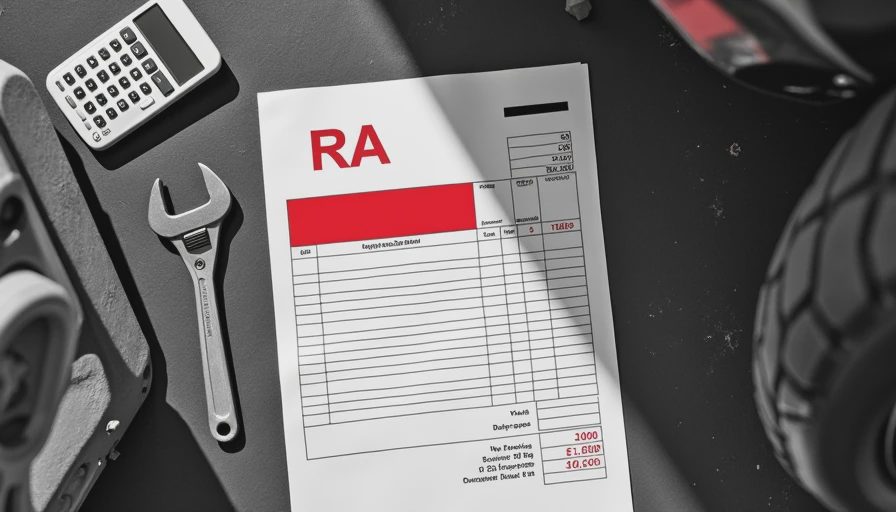
A clean estimate should tell you whether the price is for one axle or both. A lot of people see a low number and assume the whole car is covered when it is really only the front end. Ask for the pad brand, the hardware kit, and whether shop supplies, brake cleaner, or caliper grease are included. If the quote says pad slap or pad replacement only, that usually means no rotor work and no extra diagnosis. If it says front brake service, the shop may have built in a more complete inspection. The best habit is to ask for the rotor thickness measurement in writing. Rotors have minimum thickness stamped or cast into them, and once they are too thin, machining is off the table. If a shop measured the rotor and documented it, you can tell whether the estimate is a fair maintenance bill or a bigger repair hiding behind a small line item.
When rotors, hardware, and fluid change the total
Pads are the wear item, but rotors and hardware are what usually push the invoice higher. If the rotors are grooved, rusted at the edges, or below minimum thickness, replacement is the right call. Resurfacing is still possible on some vehicles, but many late-model cars use rotors that are too thin by the time the pads are done, so replacement is more common than it used to be. A rotor swap can add another $80 to $200 per axle in parts on mainstream cars, and more on trucks or European models. Hardware kits are cheap compared with labor, yet they matter because old abutment clips and corroded shims can create noise or uneven pad movement. Brake fluid is a separate service. It is not automatically required with pad replacement, but if the fluid is dark or the pedal feels soft, a flush can be smart while the system is already open.
DIY math versus shop math
If you turn wrenches at home, the math changes fast. On many Honda, Toyota, Mazda, Ford, or GM cars, a front pad set can be $35 to $90, a hardware kit $10 to $25, and a tube of brake grease a few dollars more. Add a jack, stands, a 3/8-inch or 1/2-inch ratchet, a torque wrench, and a C-clamp or piston tool, and you can do the job for less than a shop quote if the rotors are still good. The brake pad replacement cost at a dealership often reflects labor rate, scan-tool time, and a larger parts margin, but that does not automatically make it wrong. It just means the invoice is built differently. DIY gets less attractive when the car has rear electronic parking brakes, stubborn slide pins, or seized caliper brackets. At that point, the time saved by paying a shop can be worth more than the parts markup you were trying to avoid.
Common mistakes that make the bill jump
One common mistake is asking for pads only when the rotors are already below spec. That saves money for a week and costs more when the shop has to reopen the job. Another mistake is ignoring one axle while the other side is already near the end. If the fronts are worn and the rears are glazed or rusty, doing both axles at once can reduce comeback visits and save on duplicate labor. A third mistake is buying bargain pads without checking fitment or compound. Cheap pads can squeal, dust heavily, or wear the rotor faster, which defeats the point of saving $20. I also see people chase the cheapest quote without asking whether the shop uses new hardware. On older cars, fresh clips and shims can be the difference between a quiet brake and one that rattles every time the wheel gets hot. Price matters, but so does what is inside the price.
A practical way to compare quotes
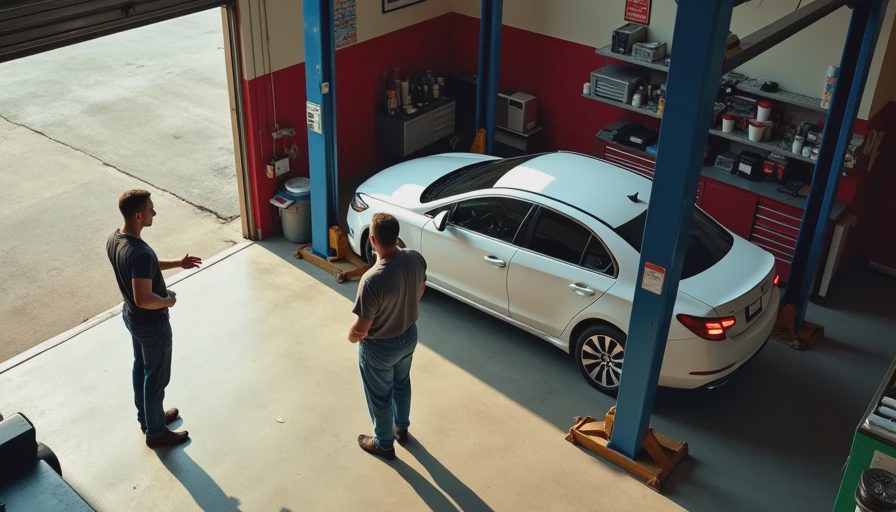
Start by comparing the same job, not just the same word on the estimate. One shop may quote pads only, another may quote pads plus rotors, and a third may include both axles. If you want a true apples-to-apples number, ask each shop to write down the axle, the parts brand, the rotor decision, and whether the quote includes hardware and labor. On a common commuter car, a fair independent-shop range is often easier to justify than a bargain quote that leaves out half the work. For a truck, SUV, or European sedan, the range is wider because parts and labor both climb. If you are trying to protect your budget, approve only what is needed to restore safe braking today, then plan the next service around measurements instead of guesses. A clean brake pad replacement cost estimate should show pads, hardware, rotor work, and labor separately. That gives you a real number to compare and a cleaner decision when it is time to schedule the job.
No comments yet — grab the first one.