The CV axle change cost is the first number you want before you call a shop. If you're hearing a rhythmic clicking noise when you turn, or a vibration under hard acceleration, the CV axle is usually the suspect. This guide breaks down the real price range for parts, labor, and the DIY route, so you know whether you're looking at a $150 part swap or a $900 dealership bill.
What Is a CV Axle and When Does It Need Replacing?
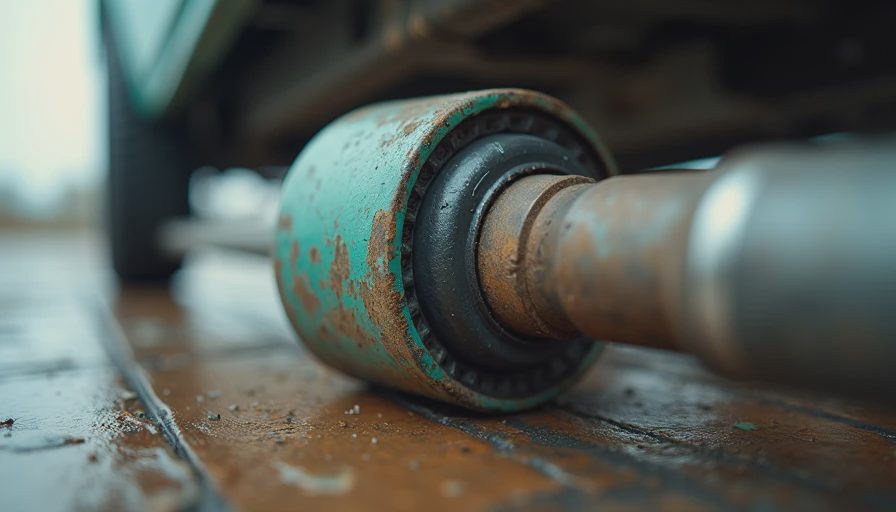
CV axles transfer engine power to the wheels while letting the suspension travel up and down. They're protected by a rubber boot that holds grease. When the boot tears, grease flings out, dirt works in, and the joint starts to wear. The classic symptom is a clicking noise on full lock turns, or a constant clunk when accelerating from a stop.
You can sometimes see a cracked boot during a quick under-car inspection. If caught early, a boot replacement is a fraction of the cost. Once the joint starts clicking, the axle is done. Replacement is the standard repair.
Parts Cost: OEM, Remanufactured, and Aftermarket Options
Parts account for roughly half the total. OEM axles from the factory can cost $150 to $400 per side. New aftermarket axles from brands like Duralast or GSP run $80 to $200. Remanufactured units from Cardone often fall between $70 and $150, and many come with a lifetime warranty.
For a budget-conscious driver, a reman axle is a solid choice. However, some vehicles are picky about aftermarket units. If you've read about vibration at 55 mph after an aftermarket axle install, it usually comes from a poor quality joint or a balance issue. Sometimes paying for the OEM part is worth it, especially on all-wheel-drive sedans.
Labor Cost: What Shops Charge to Swap an Axle
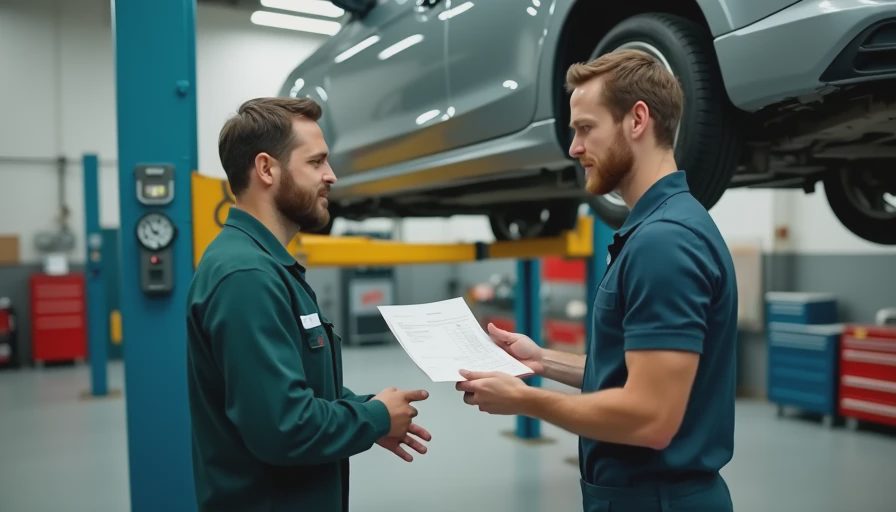
Independent shops typically charge $100 to $150 an hour, while dealerships hover around $180 to $220. A CV axle replacement usually books between 1.5 and 3.0 hours. That translates to $150 to $450 in labor. Add in the part, and a single axle replacement at an independent shop lands somewhere between $350 and $600.
At a dealership, the same job might run $500 to $800. The quote will also include seal and fluid if any transmission fluid leaks during the job. Always ask whether the estimate covers a new axle nut and fresh threadlocker, since those are often billed separately.
DIY CV Axle Change Cost: What It Actually Saves
If you're reading this in your garage, the DIY CV axle change cost is just the price of the part. A good remanufactured axle for a mainstream car runs $75 to $150. Add a few disposable towels and maybe a can of brake cleaner, and you're under $200 for one side. If both axles need replacement, some suppliers drop the price 10% for a matched pair.
You'll need a floor jack, jack stands, a breaker bar, a socket set, and a pry bar. Expect to spend two to four hours if it's your first time. The first side is usually the learning experience, and the second side goes twice as fast.
The payoff is real. You'll save $200 to $400 in labor on a single axle, and you'll learn your car's suspension while you're in there.
Factors That Push the Price Up or Down
The CV axle change cost varies more by vehicle than by region. On a Honda Civic or Mazda3, the axle is easy to access and book time is low. On an all-wheel-drive Subaru or Audi, the front axle is often buried behind a transfer case, and book time climbs to three hours or more.
Trucks and heavy SUVs use heavier-duty axles that cost more to replace. And some European cars require special tools to press the axle out of the hub. A 2005 F-150 might only need a simple 12mm bolt, while a 2017 BMW X3 could need the whole hub assembly dropped.
If you're going through a dealer, expect a markup on the part as well. Independent parts stores and online retailers usually offer better pricing.
Warranty and Hidden Costs to Watch For
Most replacement axles come with a lifetime warranty, but labor is where the fine print gets tricky. A shop will warranty its work for a year or 12,000 miles, but if you supply the part and the shop installs it, they usually won't honor the labor if the part fails. That's one reason to let them supply the axle. Also watch for extra line items: axle seals, transmission fluid top-off, subframe alignment, and even an alignment after the job. These add $40 to $150 to the final bill.
A smart move is to ask for a written estimate that includes new hardware. If the quote includes 'reuse old axle nut,' push back. A CV axle nut should always be replaced because it's designed to be torqued once.
How to Get an Accurate Quote
Your best move is to call three shops and ask for a quote based on your VIN. Compare the part brand they plan to use against online prices at RockAuto or AutoZone. If the labor quote seems high, ask what book time they're using. The difference between 'book' and actual time explains a lot of pricing spread.
Get the warranty terms in writing. Parts usually carry a lifetime warranty; the labor warranty is often 12 months or 12,000 miles. If the axle fails again, you want to know the shop will cover the labor or at least discount it. A written estimate also protects you if the shop finds extra damage when they drop the subframe.





No comments yet — grab the first one.