If you are pricing cv axle replacement cost, start by separating the part from the labor. A torn boot that has just started to sling grease is not the same bill as a joint that clicks on every parking-lot turn. On a basic front-wheel-drive car, a single axle can be a few hundred dollars installed. On an all-wheel-drive crossover, the number climbs faster because access is tighter, parts are pricier, and the job can take longer than the flat-rate guide says on paper.
The easiest way to keep the estimate honest is to read the symptoms first. A loud click while turning usually points at the outer joint. A shudder on acceleration can point to the inner joint. If the axle is only leaking grease and the boot has not thrown the joint apart yet, you may still be able to catch the problem before the hub splines and transmission seal get chewed up. That is where a clean diagnosis saves real money.
What the symptom tells you
A failing axle rarely shows up as one dramatic failure. It usually starts with a torn boot, then grease is flung around the suspension, then the joint dries out and begins to click. A driver who hears the noise only on a tight left turn is often dealing with the right outer joint, because that side is loaded harder. If the vibration gets worse under throttle and fades when you lift off, the inner joint is a better suspect. If the car hums all the time, look harder at wheel bearings or tires before you spend on axle parts.
That diagnostic step matters because cv axle replacement cost changes a lot when the wrong part gets blamed. A shop that goes straight to the axle without checking for play in the hub, a bent wheel, or a damaged control arm can hand you a bill that fixes the symptom by accident instead of fixing the cause. I have seen the difference on older Honda Civics, Toyota Camrys, and Subaru Outbacks: the first quote was for an axle, the real issue was a bearing or a torn inner boot hiding behind road grime.
What drives the bill
The biggest price swing comes from part quality and access. Economy aftermarket axles from brands you will see at RockAuto, AutoZone, O Reilly, or NAPA can start around $60 to $180 for many common cars. Dealer or OEM parts can land anywhere from $200 to $500 or more. Remanufactured units sit in the middle, but the warranty and core rules matter because some shops charge a core fee if you do not return the old axle.
Labor is the other half of the math. Many independent shops bill around $120 to $180 per hour in larger U.S. markets, and the axle job usually takes 1.5 to 3.5 hours on a typical front-drive vehicle. Rusted hub splines, seized axle nuts, or a vehicle with an intermediate shaft can push the time higher. Add a new axle nut, a transmission seal if the old one is leaking, and a quart of gear oil or transmission fluid if the axle comes out of a transaxle, and the ticket can move another $20 to $100.
DIY or shop labor
If you do the work yourself, cv axle replacement cost drops fast, but only if you already have the right tools. A solid breaker bar, torque wrench, jack stands, pry bar, and a way to loosen the axle nut are the basics. Some cars need a 32 mm or 36 mm socket, some need a special hub tool, and some make you remove the lower ball joint or sway link to swing the knuckle out far enough. That is not impossible in a driveway, but it is not a ten-minute brake pad job either.
DIY parts costs are usually the axle, the nut, and maybe a seal. On a common sedan, that can be under $200 all in if you buy carefully. The shop bill, by contrast, includes labor, shop supplies, and the risk that a frozen axle nut turns a routine job into a fight. A professional shop also knows when to stop and inspect the hub bearing, since a worn bearing can destroy a fresh axle in short order. If your time is cheap and your tools are ready, DIY makes sense. If the car is your only ride, paying for the lift and the warranty is easier to justify.
A realistic price range
For a straightforward front-wheel-drive compact car, a fair cv axle replacement cost often lands between $250 and $500 at an independent shop. A midsize sedan or crossover usually runs more like $400 to $800, especially if the dealer part is chosen or the axle is awkward to reach. AWD vehicles are where the price jumps the hardest, and $600 to $1,200 is not unusual when the front axle is buried under subframe pieces or the rear axle is part of a more complicated layout.
That spread is why one quote can look cheap until you read the line items. A low part price with high labor can be worse than a pricier axle with standard labor time. A 2014 Subaru Outback, for example, may not be expensive because the axle itself is exotic; the cost comes from the extra time to move components around it. By contrast, a plain Toyota Corolla often stays on the lower end because access is simple and the part supply is deep.
How to compare quotes
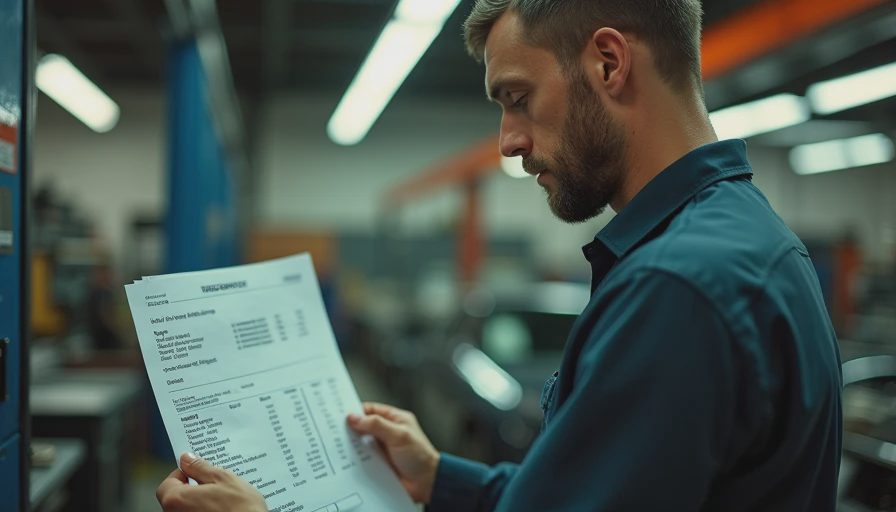
When you compare shops, ask what is included in the axle quote before you focus on the total. A fair estimate should tell you whether the price includes the axle nut, a seal if needed, fluid top-off, and whether the shop is using new, remanufactured, or aftermarket parts. If the estimate says one side now and the other side later, that can be fine, but it should be a deliberate choice, not a guess. The best repair order is the one that matches the actual failure, not the one that sounds cheapest on the phone.
This is also where cv axle replacement cost gets inflated by hidden labor. Some shops quote the axle itself and forget to mention a seized hub, a corroded flange, or a broken fastener that turns the job into extra labor. Ask whether the quote covers a road test and a seal check after the repair. If the vehicle has already started leaking gear oil, make sure the labor line reflects the cleanup and refill, not just the install.

Common mistakes that raise the total
The fastest way to overspend is to replace the wrong part first. A wheel bearing makes a growl or hum, not a click on turns. A worn tire can feel like a shake. A bad inner tie rod can wander. If the diagnosis is loose, the new axle will not fix the car, and you will pay labor twice. Another common mistake is reusing a staked axle nut when the vehicle calls for a new one. That is a small part with a big job, and skipping it can create a comeback noise or a loose joint.
The other costly mistake is waiting until the boot is completely destroyed. Once the joint runs dry and starts clacking, the repair stops being a boot conversation and becomes a full axle conversation. At that point, a clean quote, the right part number, and a clear labor line matter more than hunting the lowest sticker price. If you are sitting on a quote now, compare the parts brand, labor hours, and what fluids or seals are included. That is the quickest way to tell whether the number is fair or padded.



No comments yet — grab the first one.