If you notice white smoke from exhaust on a cold start, do not assume the engine is finished. A thin plume that disappears fast can be normal condensation, especially in cool weather. A thick cloud that lingers, smells sweet, or comes with a dropping coolant level is a different story, and it can turn into a tow bill and a repair bill fast.
The trick is sorting harmless vapor from a real mechanical problem before you keep driving it and make the damage worse. A good diagnosis starts with a few simple checks in the driveway, then moves to the parts of the engine that usually cause coolant, fuel, or compression to end up where they do not belong.
White smoke from exhaust: steam, coolant, or fuel?
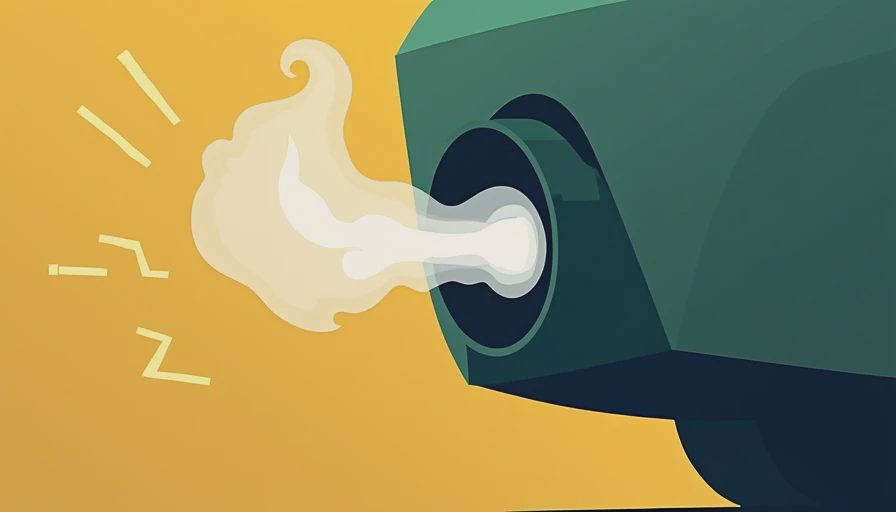
On a cold morning, the tailpipe can steam like a coffee cup. That vapor usually fades as the exhaust gets hot, and it does not carry a sharp smell. If the plume keeps coming after the engine is warm, the problem is usually not weather. Coolant can be entering a combustion chamber through a head gasket, cracked head, intake gasket, or, on some engines, a failed cooler or seal related to the EGR system.
Fuel can also create a pale, white-looking exhaust cloud, especially on diesels or when an injector dribbles fuel instead of atomizing it properly. In that case the engine often runs rough, shakes at idle, or clears up only after several minutes. A scan tool can point you toward a misfire, a coolant temperature issue, or an injector fault, but the exhaust color by itself is only the first clue.
Fast driveway checks before you spend money
Start with the basics. Check the coolant reservoir when the engine is cold and note the level. If it has dropped since last week, that matters. Look at the oil cap and dipstick for a milkshake look, which can mean coolant contamination. Then look at the tailpipe after a warm restart. A steady cloud that gets thicker when you rev the engine is more serious than a brief puff at startup.
If you have an OBD-II scanner, pull the codes before you clear anything. Misfire codes, coolant temperature codes, or fuel trim numbers that are far off can save you from guessing. A $30 block tester and a cooling system pressure tester are cheap compared with a head gasket job, and they will tell you more than a dozen forum opinions.

What the smell, temperature, and coolant level tell you
The smell matters. Sweet exhaust odor points toward coolant. A raw fuel smell points toward an overfueling problem or a cylinder that is not burning cleanly. If the cabin heater suddenly blows cool air while the gauge climbs, that can mean low coolant or air trapped in the system. If the upper radiator hose is rock hard right after a cold start, combustion gas may be leaking into the cooling system.
Watch the temperature gauge instead of hoping for the best. An engine that runs hot and smokes white is telling you to get off the throttle. Repeated overheating can warp a cylinder head and turn a repair that might have been a gasket job into machine work plus parts. If you see bubbles in the reservoir, oily residue in the coolant, or coolant disappearing with no puddle under the car, the problem is usually inside the engine, not on the driveway.
White smoke from exhaust and the repairs that usually fix it
The repair depends on where the fluid is coming from. A stuck-open thermostat, leaking radiator cap, bad coolant hose, or failed water pump can create low coolant and overheating, but those problems usually do not create persistent white exhaust by themselves. If the smoke is from coolant entering the cylinders, the common fixes are more expensive: intake gasket replacement on some V6 and V8 engines, head gasket replacement, cylinder head inspection, or in rarer cases a cracked head or block repair.
Typical costs swing a lot. A thermostat or small coolant leak might land in the $150 to $500 range at an independent shop. A head gasket job often starts around $1,500 and can climb well past $3,000 on a transverse V6 or an engine that needs extra labor to remove. Injector or turbo-related repairs can sit anywhere from a few hundred dollars to well over $1,000 depending on the engine and parts availability. The smart move is to confirm the failure before authorizing teardown.
What to tell your mechanic so the diagnosis goes faster
Do not just say it smokes white. Give the mechanic the pattern. Say whether it happens only on cold start, after highway driving, at idle, or under load. Mention whether the engine smells sweet, runs rough, overheats, or loses coolant between fill-ups. If you have codes, write them down. If the smoke clears after a minute, say that. If it gets worse when the engine is warm, say that too.
A good shop will usually start with a pressure test, a combustion gas test in the cooling system, and a scan for codes and live data. If the answer still is not obvious, a borescope can show coolant in a cylinder, and a compression or leak-down test can confirm whether the rings, valves, or head sealing surface are the problem. That beats replacing parts until the symptom goes away by accident.
When to stop driving and get a tow
If the temp gauge is climbing, the smoke is thick and constant, or the engine starts running like it dropped a cylinder, stop driving it. Every mile can add heat, contamination, and cost. A short hop to the shop is not worth risking a warped head or a seized engine. If you have roadside assistance through your auto policy, this is the moment to use it. It will not pay for engine repair, but it can cover the tow and keep you from making a bad problem worse.
When white smoke from exhaust shows up after the engine is warm, treat it as a mechanical warning, not a cosmetic one. Check coolant, check oil, read the codes, and confirm the failure before you spend money. If the symptom is already showing up on every drive, compare repair quotes quickly and stop betting on the hope that it will clear up on its own.




No comments yet — grab the first one.