Coolant and distilled water is the simplest safe mix for a lot of garage top-offs, but it is not a universal recipe. Most modern cooling systems want a specific coolant chemistry, a clean container, and the right ratio. Get that wrong and you can end up with weak freeze protection, poor boil protection, or mineral scale in the radiator and heater core. Get it right and you can top off a low reservoir, refill after a drain, or keep a spare jug ready for a roadside repair.
What the mix actually does
Coolant is doing more than keeping freeze points down. The glycol base helps raise the boiling point, while the additive package fights corrosion in aluminum radiators, water pumps, heater cores, and engine passages. Water carries heat well, but tap water carries minerals, and those minerals can leave deposits inside a system that already runs hot. Distilled water solves that part because the distillation process strips out most of the dissolved solids that cause scale.
Most passenger cars are happy with a 50/50 blend of concentrate and distilled water, or with a premixed bottle that arrives ready to pour. Some trucks, turbo cars, and high-load applications call for a different ratio, and a few manufacturers specify a particular HOAT, OAT, or phosphate-based formula. That is why the owner's manual and the label on the bottle matter more than internet lore. If the spec says premix only, do not improve it with guesswork. Parts-store shelves are full of Prestone, PEAK, Zerex, Valvoline, and OEM dealer bottles, but the right label for your car beats brand loyalty every time.
Tools and parts you need
If you are mixing coolant and distilled water by hand, use a clean jug, a funnel, nitrile gloves, and a flashlight. A one-gallon distilled water jug from the grocery store usually costs a few bucks; a gallon of concentrate plus water is often cheaper than premix if you are doing a full drain and refill, but premix saves time and reduces measuring mistakes. Keep a rag handy for spills, because dried coolant leaves a sticky film and can attract dirt around the fill neck.
The other thing you need is the correct coolant spec, not just the right color. Green, pink, orange, and blue are not standards by themselves. Check the owner's manual, then match the specification on the bottle. If the system already has the proper coolant and the level is just low, topping off with distilled water is usually safer than adding a random green bottle from the shelf. If the car uses a separate reservoir, make sure the engine is cold before you remove the cap.
Step-by-step fill procedure
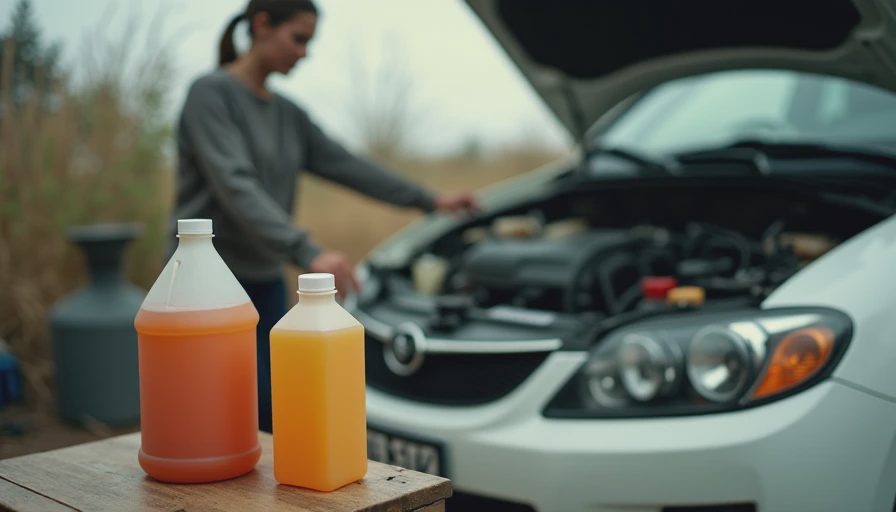
Start with a cold engine and a level parking spot. Find the expansion tank or radiator cap, then inspect the hoses and the ground under the car for fresh leaks. If the level is only slightly low, mark the current line with tape or a photo first so you can see whether the level changes after the fill. A system that is losing fluid every week has a leak, not a maintenance problem, and a new jug of coolant will not solve that.
For coolant and distilled water, pour the distilled water into the jug first if you are measuring a concentrate blend, then add the concentrate to reach the target ratio. Swirl the container gently instead of shaking it like a paint can. Fill slowly to the cold line, not above it, because overfilling can push fluid out when the engine heats up. If the service procedure calls for bleeding air, open the bleeder screw or run the heater with the cap off exactly as the manual describes. Air pockets can keep the heater from working and can create hot spots in the head.
After the fill, reinstall the cap, run the engine until the thermostat opens, and watch the gauge. Shut it down, let it cool, and recheck the level the next day. Small drops are normal after trapped air works out; a big drop means you need to look for a leak or a bad cap.
Common mistakes that cost money
The biggest error with coolant and distilled water is assuming tap water is close enough because the car still runs. That shortcut can leave mineral crust at the radiator neck, in the heater core, or around the thermostat housing. The next mistake is mixing incompatible coolants because both bottles say universal. Some formulas play nicely together and some turn muddy or weaken the additive package. When in doubt, drain and refill with the right spec instead of layering one chemistry over another.
Another expensive habit is running straight coolant because it sounds stronger. Pure coolant does not transfer heat as well as a proper mix, so the system can actually run hotter. Overfilling the reservoir is just as sloppy. The tank needs space for expansion, and a full bottle can dump excess fluid on the ground after the first heat cycle. If you see repeated overflow or crust around the cap, test the cap and inspect the fan operation before buying more fluid.
Quick answers before you buy
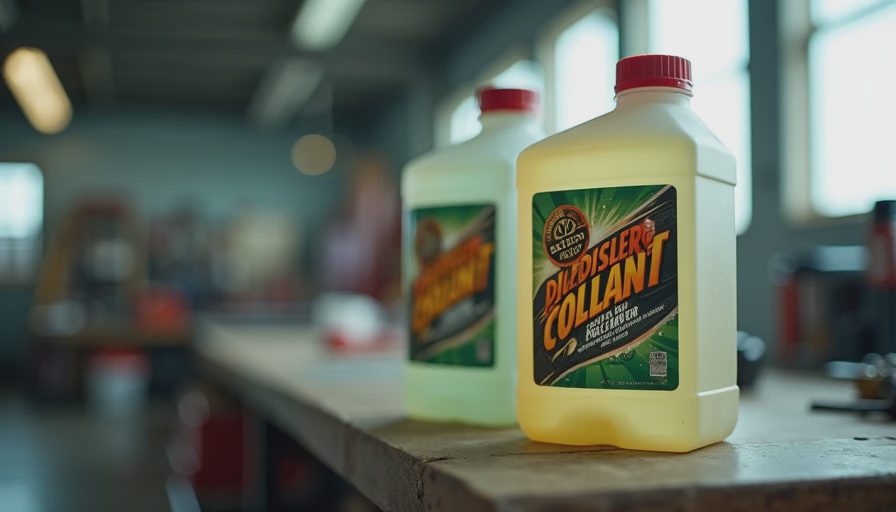
A lot of drivers only need one decision: buy premix or buy concentrate and a jug of distilled water. If you are doing one top-off on a daily driver, premix is usually the easy call. If you are flushing a fleet truck, a project car, or anything that needs several quarts, concentrate plus measured water gives you more control and often costs less per refill.
Here is the short version. Use the factory spec first. Use distilled water for the water portion. Do not trust color alone. Do not open a hot cooling system. And if you are standing in the aisle wondering whether to save three dollars and improvise, stop there. If you are unsure, buy premix instead of gambling with coolant and distilled water. That choice is usually cheaper than a heater core, a thermostat job, or a weekend spent chasing an overheating complaint.




No comments yet — grab the first one.